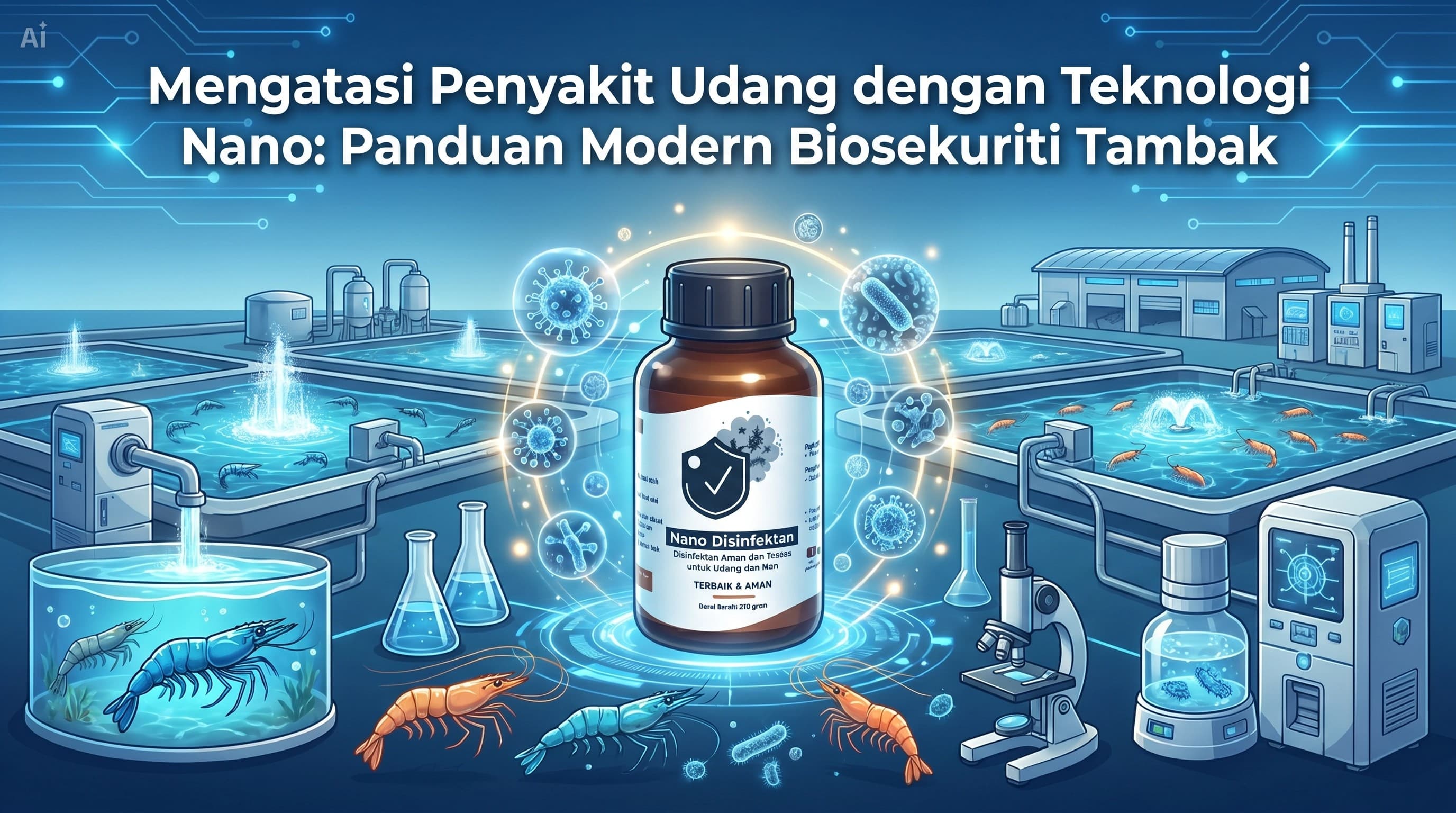
Tackling Shrimp Diseases with Nanotechnology: A Modern Guide to Pond Biosecurity
Challenges in Modern Shrimp Farming
In today’s intensive aquaculture industry, the greatest challenge for farmers is the risk of massive economic losses due to shrimp diseases. The emergence of pathogens such as EHP, now frequently associated with White Feces Disease (WFD), indicates that the threats are becoming increasingly complex and difficult to detect at an early stage. The use of antibiotics and conventional chemicals is no longer sufficient, and may even lead to resistance.
As an innovative solution, Nano Technology is set to transform biosecurity standards. With particles measuring just nanometres in size, this technology offers pathogen eradication effectiveness down to the cellular level, whilst ensuring significantly higher environmental safety. This approach is not merely a trend, but a strategic necessity to ensure the operational sustainability of shrimp farms amidst the mounting pressure from pathogens.
Understanding the Main Threats to Shrimp Health (EHP, IMNV, AHPND)
Effective health management begins with a thorough understanding of the characteristics of the pathogens involved:
EHP (Enterocytozoon hepatopenaei): A microsporidian parasite that specifically targets the hepatopancreas. The consequences include stunted shrimp growth, inconsistent sizes, a significantly increased FCR, and it often triggers the onset of WFD.
IMNV/Myo (Infectious Myonecrosis Virus): A virus that attacks muscle tissue. Characterised by a pale or whitish body colour (muscle necrosis), weakness, and a drastic reduction in appetite.
AHPND (Acute Hepatopancreatic Necrosis Disease): Caused by pathogenic Vibrio bacteria capable of destroying hepatopancreatic cells within a short period, leading to mass mortality (up to 100%) at the start of the cultivation cycle.
Nano Technology Solutions in Aquaculture
We present two key pillars of nano technology that offer high stability and performance proven both in the laboratory and in the field:
Nano Disinfectant (Nano Copper): This product has a high concentration of 150,000 ppm (15.42% Nano Copper ions according to the SGS report). Its technical advantages are exceptional: its bactericidal and virucidal performance is 1,000 times stronger than that of ordinary copper sulphate, yet it remains stable in pure water. Its function is to increase the water’s ORP and eliminate harmful bacteria and algae.
Nano Silver: Available in concentrations of up to 100,000 ppm of Nano Silver ions. These particles have a large surface area, resulting in very high biological activity. It is highly effective when added to feed to target pathogens directly in the shrimp’s digestive tract.
How Nano Technology Eliminates Pathogens
The mechanism of action of nanoparticles is highly precise and mechanistic, thereby preventing microorganisms from developing immunity (resistance):
Cell Membrane Penetration: Nanoparticles attach to and penetrate the cell walls of microorganisms, causing cytoplasmic leakage and immediate structural damage.
Inhibition of Essential Enzymes: Nano-ions bind to proteins and disrupt internal metabolism, halting the pathogen’s ability to reproduce.
Induction of Reactive Oxygen Species (ROS): Nano Copper and Nano Silver trigger the production of reactive oxygen species that damage the pathogen’s DNA and genetic material without causing resistance mutations, as seen with antibiotic use.
Strategic Prevention and Treatment Protocol
As specialists, we emphasise dosage precision. Note the difference between ppm (parts per million for water) and ppt (parts per thousand for feed).
Application Guide Table for Nano Disinfectant & Nano Silver
| Type of Disease | Goals | Product | Dosis | Noye |
| General | Prevention (DOC <30) | Nano Disinfektan & Silver | 0,1 ppm (Air) / hari & 0,5 PPT (Feed) | Maintaining the stability of the initial environment |
| General | Prevention (DOC >30) | Nano Disinfektan | 0,1 ppm | Every 10 days |
| EHP / Vibrio | Prevention | Nano Disinfektan | 0,05 ppm | Every 7–14 days |
| IMNV / AHPND | Treatment | Nano Disinfektan | 0,1 - 0,2 ppm | Every 3 days until mortality falls by 80% |
| Digestion | Treatment | Nano Silver | 0,1 - 0,5 PPT | Mixed into the feed |
Important Operational Instructions (Precision Biosecurity):
- Feed Mixing Procedure: Dissolve Nano Silver (dose: 0.5 ppt) in 100 mL of fresh water, then mix the solution evenly into 1 kg of feed before distribution.
- Siphoning Rules: Disinfectant application must be carried out at least 3 hours after the siphoning process to ensure effective oxidation.
Mineral Antagonism: Do not mix the nano product with CaCl₂ and MgCl₂ minerals. Allow a 1–2 day interval before or after using these minerals.
Efficiency Analysis: Nano Disinfectant vs. Conventional Chlorine
Based on the data from the ‘Disinfection Cost Savings Value’, the use of nano technology provides an absolute economic advantage for fish farmers:
- Cost Efficiency: Nano Disinfectant is proven to be 87.3% more cost-effective than the use of conventional chlorine.
- Real-World Comparison (Area 23,000 m²): A single application of Nano Disinfectant costs just Rp 6,130,650, whilst using chlorine at the standard dose (30 ppm) amounts to Rp 48,300,000.
- Low Dose, Maximum Results: With a dose of just 0.05 ppm, Nano Disinfectant provides more consistent protection without leaving harmful residues in the pond ecosystem.
Additional Benefits and Field Evidence
This technology has undergone extensive research (Catto et al. 2019) confirming its safety for the micro-ecosystem of the shrimp’s digestive tract. The following are significant performance data:
- Increased Survival Rate (SR): In a Vibrio bacterial challenge test, shrimp treated with Nano Silver showed an SR of 40%, whilst untreated shrimp (controls) showed an SR of 0% (total mortality).
- Immune System: Administration of Nano Silver increased the Total Haemocyte count to 160 (normal condition) and remained at 107 during infection, demonstrating the strengthening of the shrimp’s immune system in combating infection.
- Success Testimonial: Mr Ngadikan, a shrimp farmer from Kulon Progo, achieved a successful harvest despite initially facing mortality issues at the DOC 30 stage. By implementing the Nano Disinfectant protocol, he successfully harvested at DOC 120 with Size 28, achieving a total yield of 9.5 tonnes.
Addressing the threat of shrimp diseases requires smart, measured, and economically efficient solutions. The use of Nano Technology is the most effective preventive measure to maintain the health of the hepatopancreas and the water quality in your farm. Don’t wait until mortality rates rise; start investing in modern biosecurity today.
Protect your ponds and boost your harvest yields with FisTx. For in-depth technical consultations or to order products, contact our team of experts on +6282323545511. We are here to help you achieve abundant and sustainable harvests.
Read More Articles
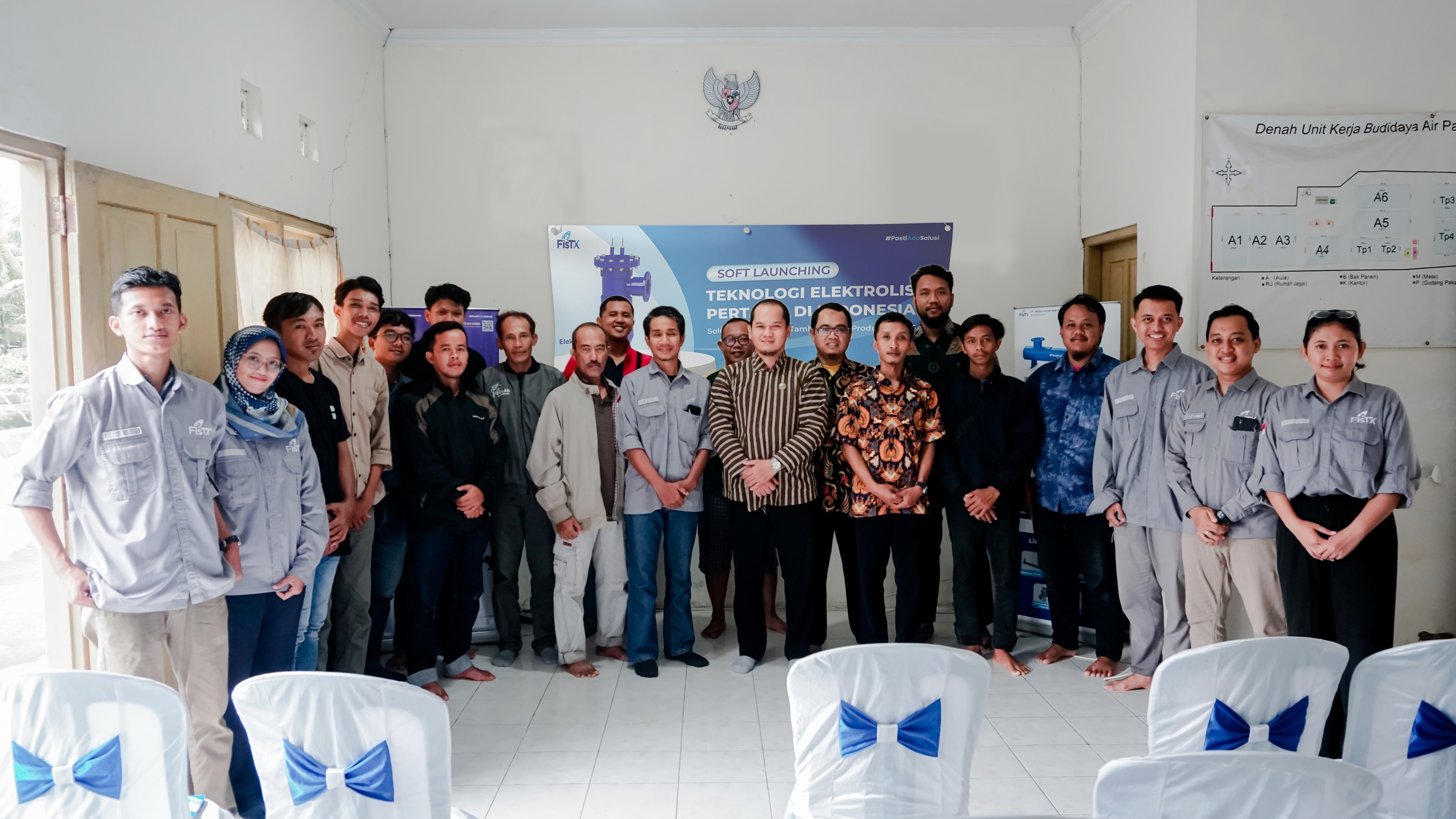
FisTx Introduces Indonesia's First Electrolysis for Shrimp Cultivation
13 December 2024
FisTx 4th Anniversary: 4 Years of Innovation Presents Solutions for Indonesian Fish Farmers
09 November 2024
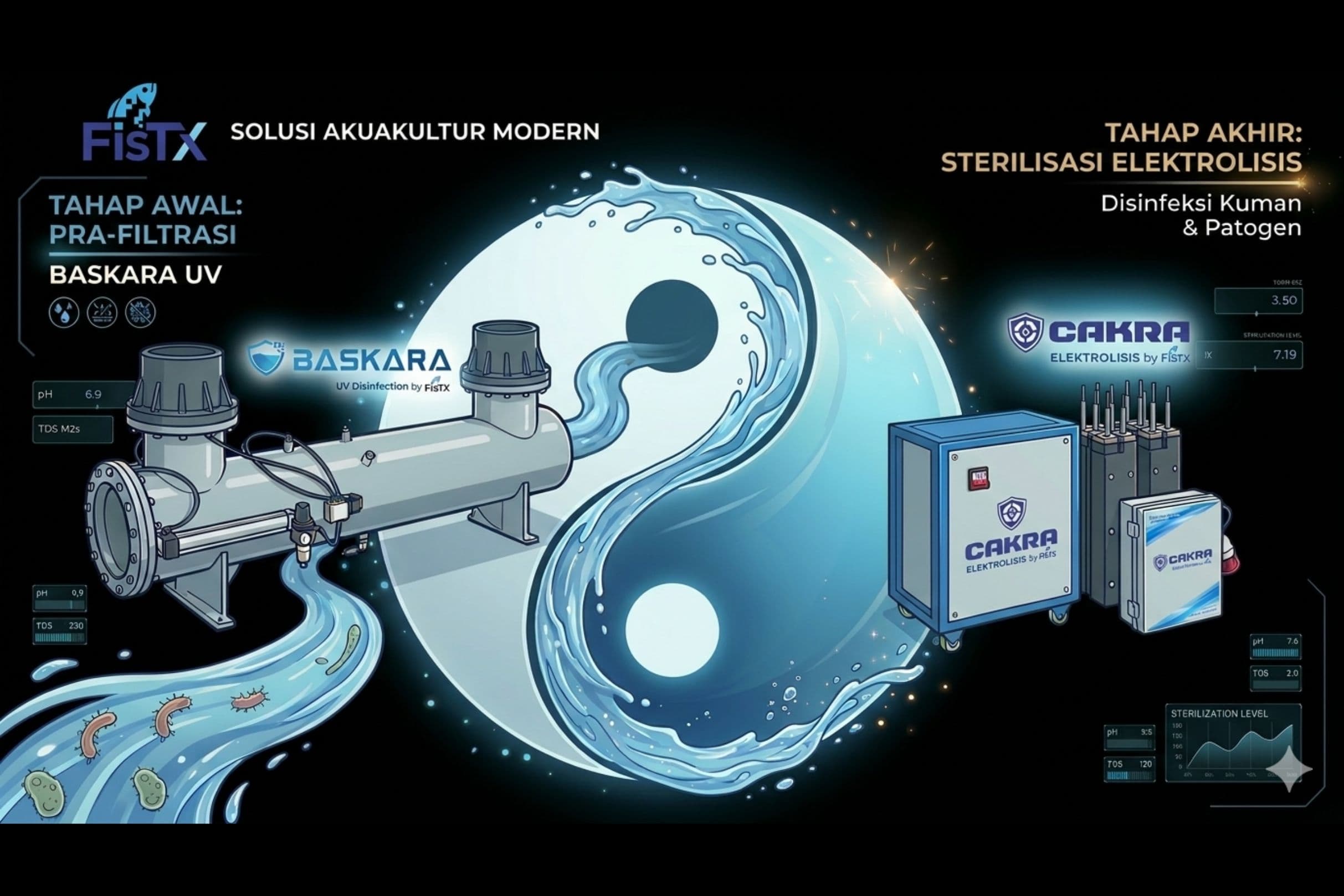
A New Era of Indonesian Shrimp Farming Begins: Multi-Layered UV Protection and Electrolysis Systems Implemented in Banyuwangi Ponds
13 March 2026