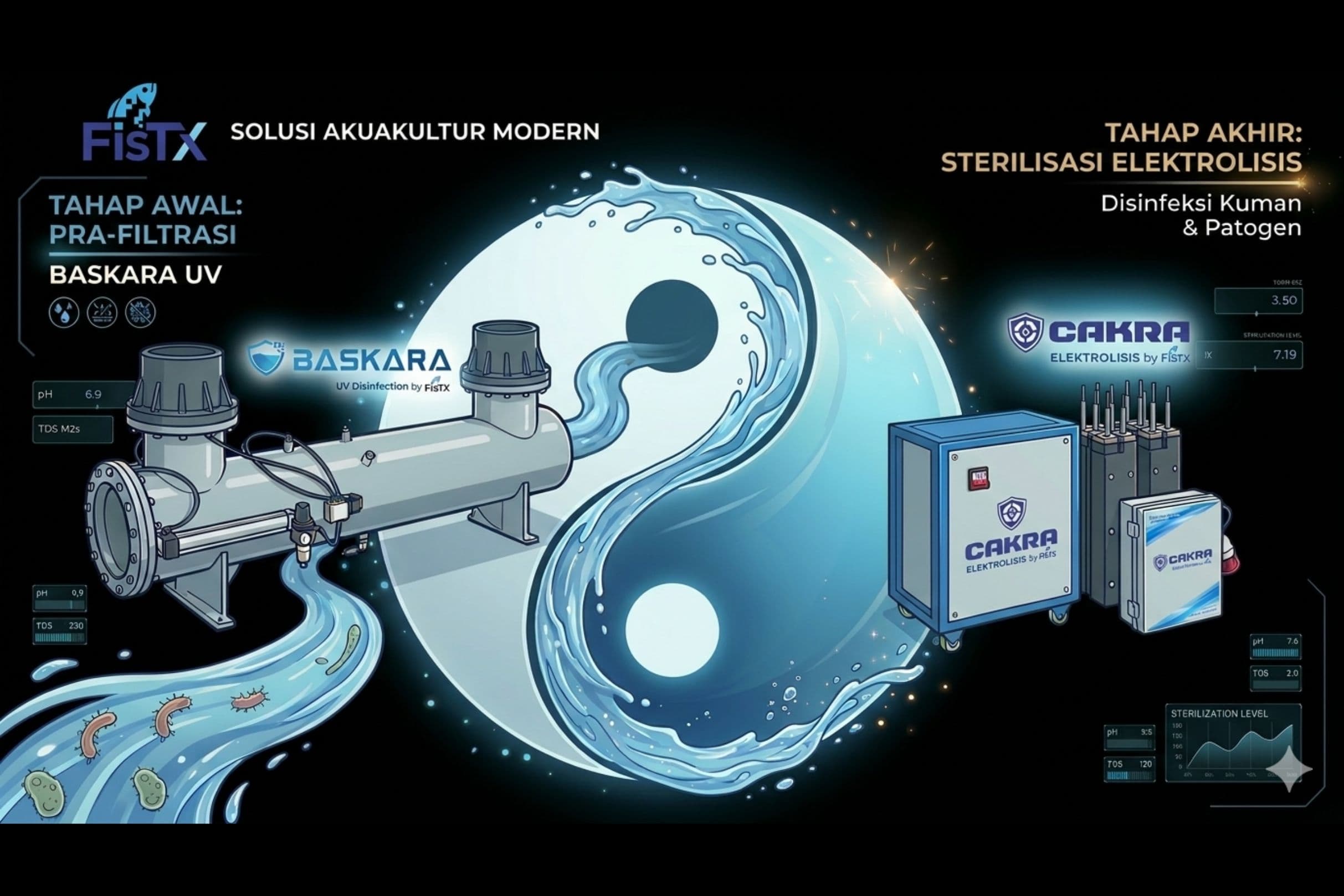
A New Era of Indonesian Shrimp Farming Begins: Multi-Layered UV Protection and Electrolysis Systems Implemented in Banyuwangi Ponds
Vaname shrimp farming in Indonesia is entering a new phase towards a more modern, precise and sustainable production system. Amidst challenges such as disease, global price fluctuations, and increasingly stringent export market demands, water quality management has become one of the most crucial factors in determining the success of intensive shrimp farming.
Aquaculture experts believe that the future of Indonesia's shrimp industry depends heavily on the sector's ability to adopt technologies that can improve the stability of the farming system. National aquaculture observer Hasanuddin Atjo emphasised that strengthening operational standards and implementing water treatment technology are important foundations for improving the competitiveness of Indonesia's shrimp industry.
‘Indonesia's shrimp industry has a great opportunity to regain its strength. However, this must be supported by consistent SOP calibration, a good monitoring system, and technology capable of maintaining pond water quality,’ he said.
This statement is in line with the increasing attention to water treatment technology in modern shrimp farming systems. One of the innovations developed in Indonesia is electrochemistry-based water sterilisation technology introduced by aquaculture technology company FisTx through the Cakra Electrolisis system.
Electrochemical Innovation for Pond Water Quality
Cakra Electrolysis is a water treatment technology that utilises electrochemical processes to produce active oxidising compounds from chloride ions naturally found in seawater. This process produces hypochlorous acid (HOCl), a disinfectant compound that is effective in suppressing pathogenic microorganisms such as Vibrio bacteria, which are known to be one of the main causes of disease in shrimp farming.
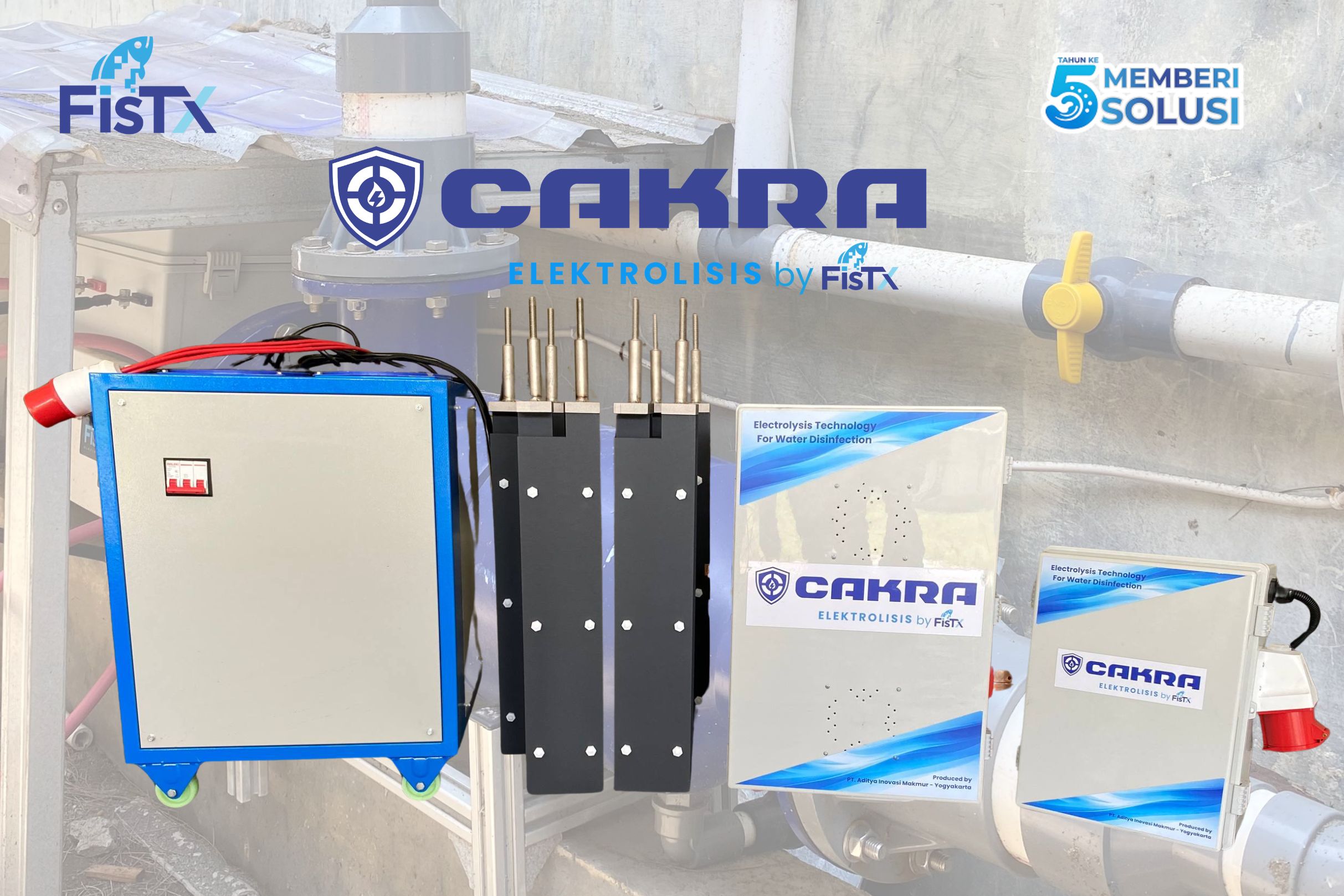
In addition to suppressing pathogens, electrolysis technology also helps increase the oxidation-reduction potential (ORP) of pond water. This parameter plays an important role in maintaining the stability of the microbiological ecosystem in the pond, making the farming environment more conducive to shrimp growth.
FisTx CEO Rico Wibisono explained that this technology was designed to provide a new approach to pond biosecurity systems.
‘Water quality is the main foundation for successful intensive shrimp farming. With electrolysis technology, we want to provide a water treatment system that not only cleans but also helps create a more stable and safer pond environment for shrimp growth,’ explained Rico.
Field tests on this technology have shown promising results. In tests at shrimp farming facilities, the application of the electrolysis system was able to significantly increase the survival rate of shrimp and reduce the population of pathogenic bacteria in pond water.
Integration of UV Technology and Electrolysis
As a step towards developing a more comprehensive water treatment system, FisTx combines electrolysis technology with ultraviolet sterilisation through the Baskara UV device.
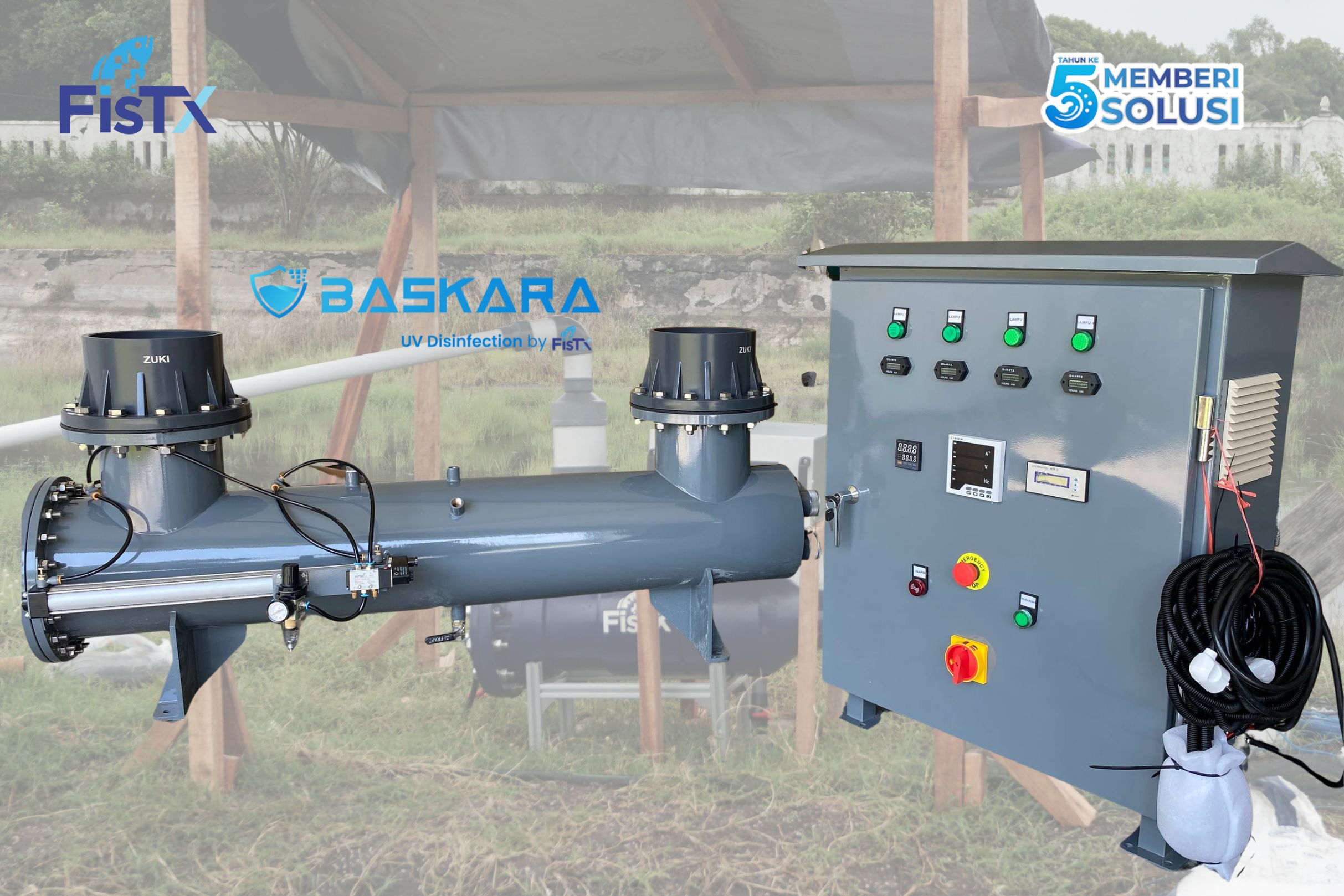
Baskara UV works by utilising ultraviolet light to deactivate pathogenic microorganisms such as bacteria and viruses in raw water before it enters the pond system. This method is known to be effective in reducing the population of microorganisms without adding chemicals to the water.
Meanwhile, Cakra Electrolysis technology acts as an additional layer of protection by producing active oxidising compounds that are able to maintain water quality stability during the cultivation process.
The integration of these two technologies forms a multi-barrier biosecurity approach, which is a layered protection system against pathogens that is increasingly being applied in modern shrimp farming in various countries.
With this approach, pond water not only undergoes an initial sterilisation process, but also receives additional protection during the farming cycle.
Technology Implementation in Banyuwangi Fish Farms
The implementation of this integrated water sterilisation system began in March 2025 at one of the intensive vaname shrimp farms located in the Blimbingsari Beach area.
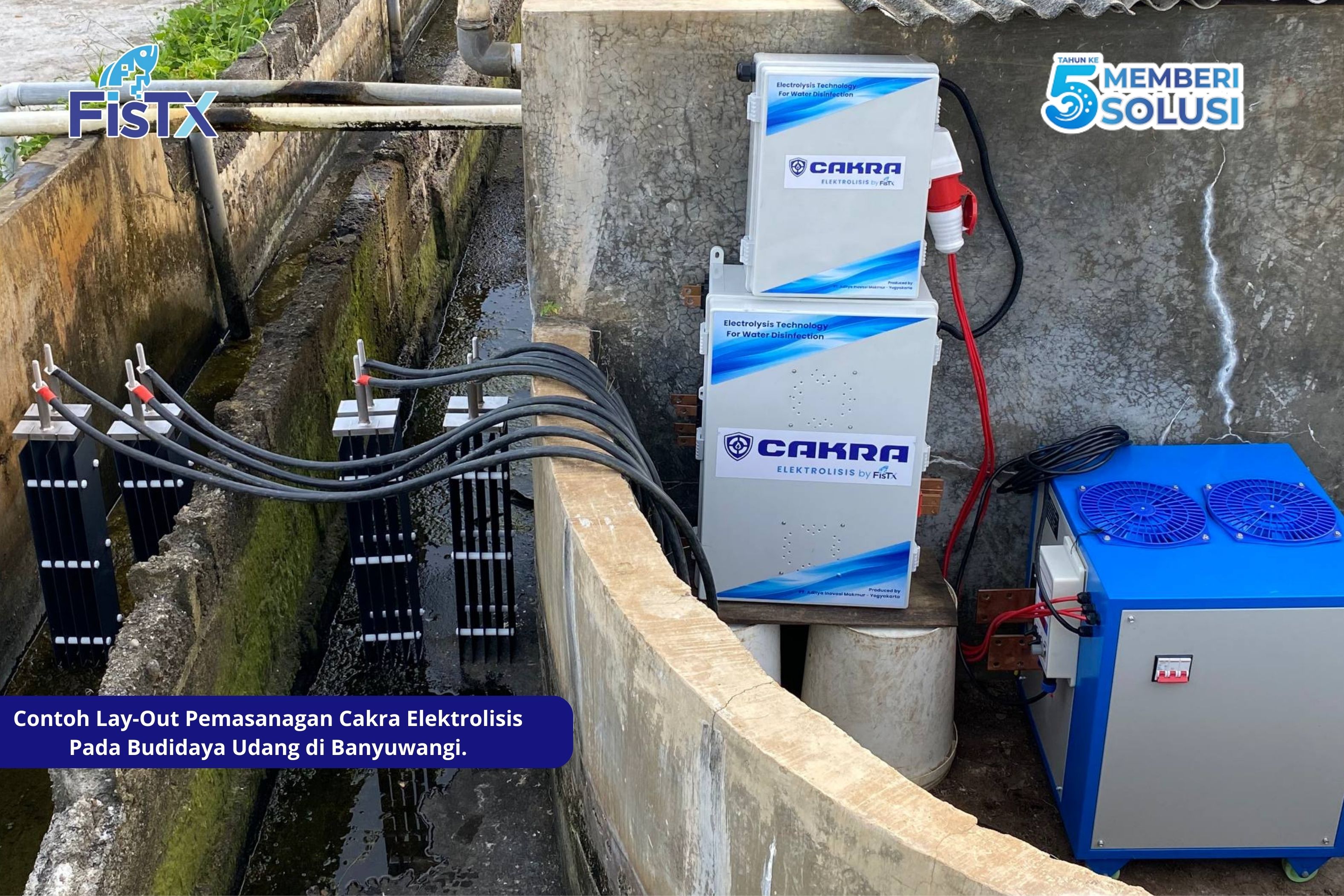
The farm has a fairly large operational scale with around 20 to 22 cultivation ponds. The pond area varies from around 2,500 square metres to 5,000 square metres per pond, which allows for the application of an intensive cultivation system with more precise water quality management.
In this project, the FisTx technical team installed Baskara UV and Cakra Electrolysis technology as part of an integrated pond water treatment system. This system is designed to improve pond biosecurity while maintaining water quality stability at high stocking densities, which are commonly applied in intensive shrimp farming.
According to Rico, the application of modern water treatment technology in Banyuwangi ponds is an example of the implementation of aquaculture technology innovations developed in Indonesia.
‘The integration of Baskara UV and Cakra Electrolysis allows farmers to have a layered protection system against pathogens. This approach is expected to help improve production stability while reducing dependence on chemicals in water quality management,’ he said.
Towards More Sustainable Shrimp Farming
Banyuwangi Regency itself is known as one of the important areas in the development of vaname shrimp farming in Indonesia. The coastal area of Banyuwangi has many ponds with farming systems that continue to develop, ranging from semi-intensive to modern intensive.
The implementation of water treatment technologies such as Baskara UV and Cakra Electrolysis in this region is expected to serve as a model for technological transformation in the national aquaculture industry.
With increasing international market demands for high-quality fishery products and sustainable farming practices, innovations in water treatment technology are becoming increasingly important for the future of Indonesia's shrimp industry.
Through the integration of ultraviolet-based water sterilisation and electrochemistry technologies, FisTx aims to support the industry's transition towards a new era of more productive, efficient, and sustainable shrimp farming.
Read More Articles
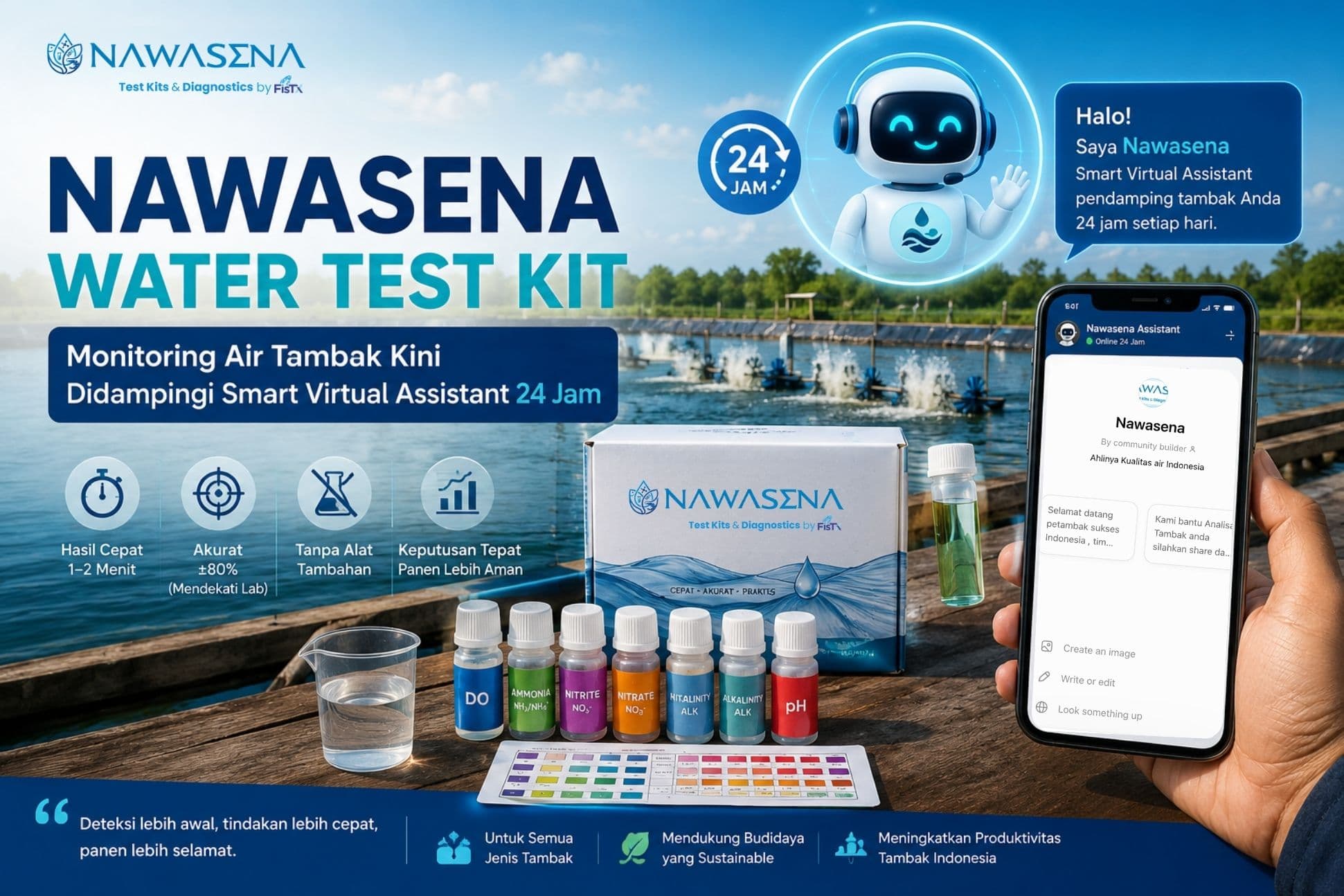
NAWASENA Water Test Kit: Pond Water Monitoring Now Supported by a 24-Hour Smart Virtual Assistant
19 June 2026
Understand EHP Disease, Prevention and Treatment Methods
26 September 2024
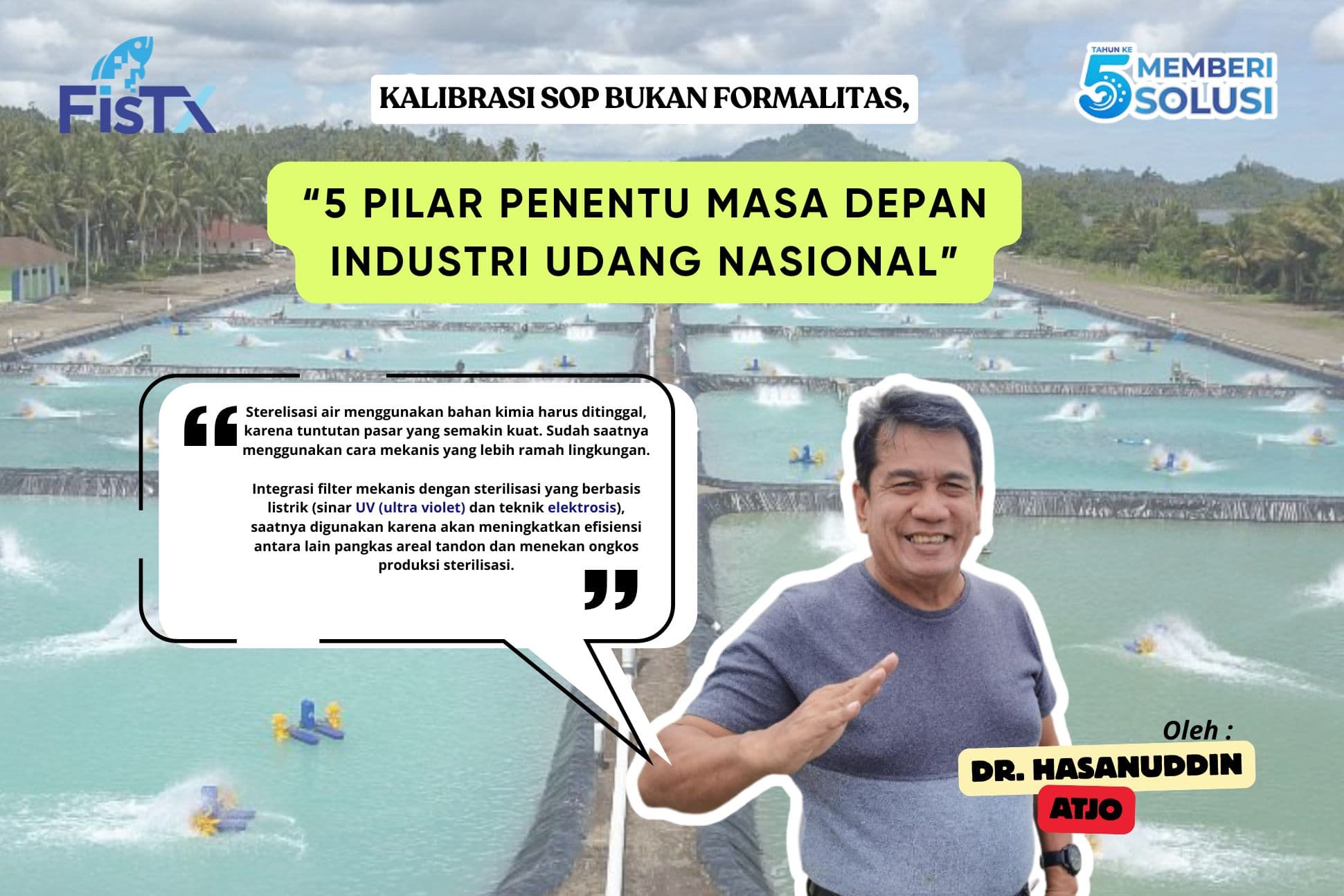
Embracing 2026: 5 Pillar Strategy to Strengthen the National Shrimp Industry to be Globally Competitive
06 February 2026