Overcoming EHP Disease in Shrimp with Nano Disinfectants | Pond Biosecurity Solutions
Overcoming EHP Disease in Shrimp with Nano Disinfectants: Modern Biosecurity Strategies for More Productive Ponds
In recent years, EHP disease in shrimp has become one of the main problems faced by farmers in Indonesia. Unlike other diseases that cause mass mortality, EHP often does not show any noticeable symptoms. However, its impact is very detrimental because it causes slow growth, inconsistent harvest sizes, and reduced cultivation profits.
Many new farmers realize there is a problem when their harvest is far below target. Therefore, understanding EHP and implementing the right biosecurity system is key to maintaining farm productivity.
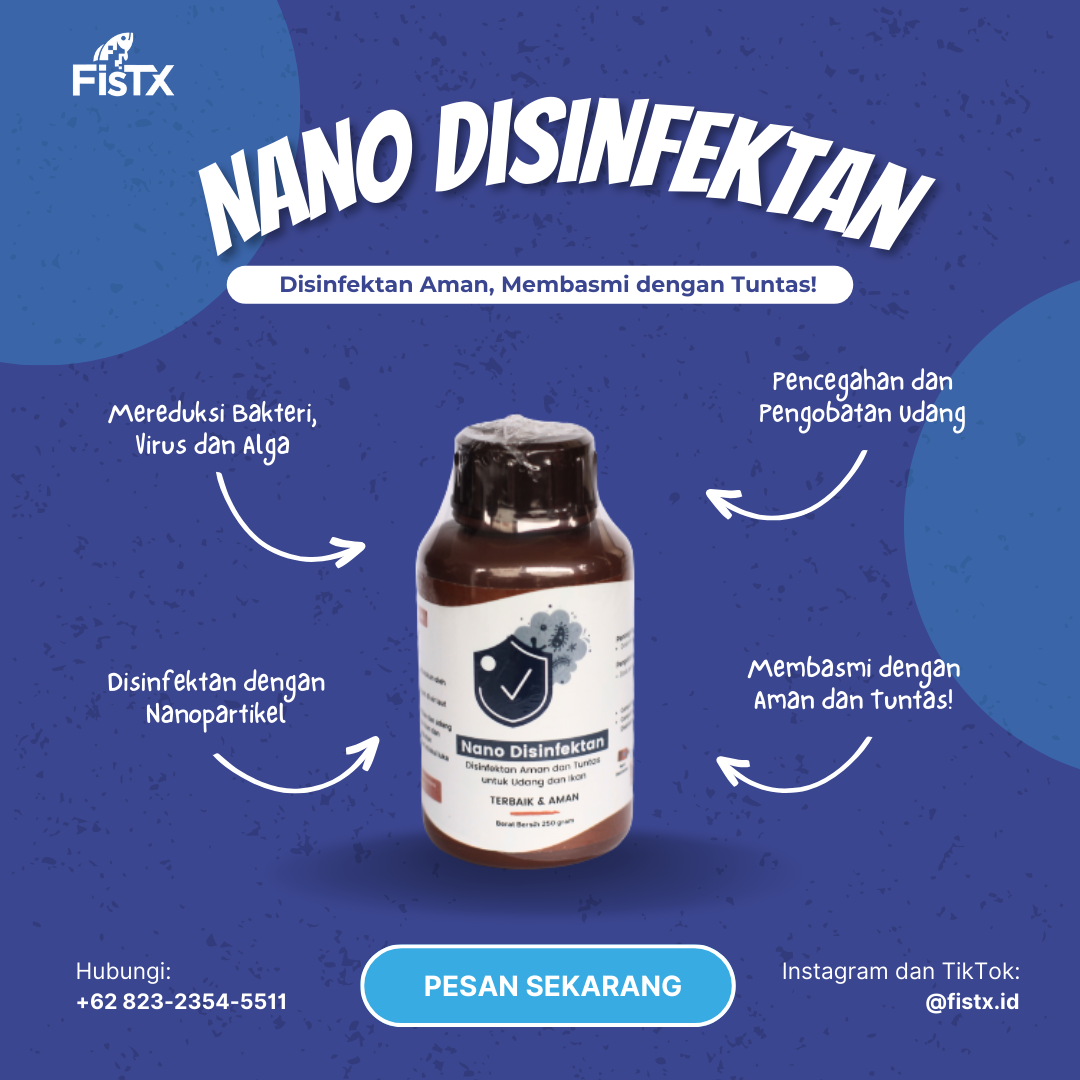
One solution that is now widely used in modern farming systems is the use of Nano Disinfektan to maintain the quality and cleanliness of farm water.
Understanding EHP Disease in Shrimp
EHP, or Enterocytozoon hepatopenaei, is a microsporidian parasite that attacks the hepatopancreas of shrimp. This organ plays an important role in the digestion and absorption of nutrients.
When shrimp are infected with EHP, some common effects include:
- Shrimp growth slows down
- Shrimp sizes are inconsistent at harvest
- Feed consumption increases but is inefficient
- Feed Conversion Ratio (FCR) worsens
Pond productivity declines
Under certain conditions, EHP infection is also often associated with the emergence of White Feces Disease (WFD), which further worsens the health condition of shrimp. Because it does not always cause death, this disease is often considered “harmless,” even though economically the losses can be enormous.
How does EHP spread in pond environments?
One of the biggest challenges in controlling EHP disease in shrimp is the ability of the spores to survive in the environment. Spread can occur through:
- Fry that have been infected from the start
- Contaminated water sources
- Mud at the bottom of ponds containing spores
- Feed residues and feces
- Unsterilized cultivation equipment
- Wastewater from other ponds
If biosecurity management is not carried out properly, EHP spores can survive and infect the next cultivation cycle. This is why controlling EHP is not enough with treatment only when symptoms appear, but must begin with prevention from the start of the cycle.
Why is Environmental Control Key?
In intensive farming systems, water is the primary medium for the growth of microorganisms, both beneficial and harmful. When water quality is not maintained, various pathogens such as bacteria, viruses, and parasites will grow more easily.
Environments with high pathogen loads will:
- Increase stress on shrimp
- Decrease immunity
- Accelerate disease spread
Worsen EHP infection conditions
Therefore, the most effective strategy to reduce the risk of disease is to decrease the number of pathogens in the environment through an optimal water disinfection system.
Limitations of Conventional Disinfection Methods
Until now, many farmers have used chemicals such as chlorine to sterilize water. Although quite effective in certain conditions, conventional methods have several limitations:
- Effectiveness decreases if water quality is poor
- Requires high doses for optimal results
- Potential to leave residues
- Operating costs are quite high in the long term
Risk to the balance of the pond ecosystem
As cultivation technology develops, the need for more efficient, safe, and economical solutions increases. This is where nano-based technology begins to play a significant role.
Nano Disinfektan: More Effective Water Sterilization Technology
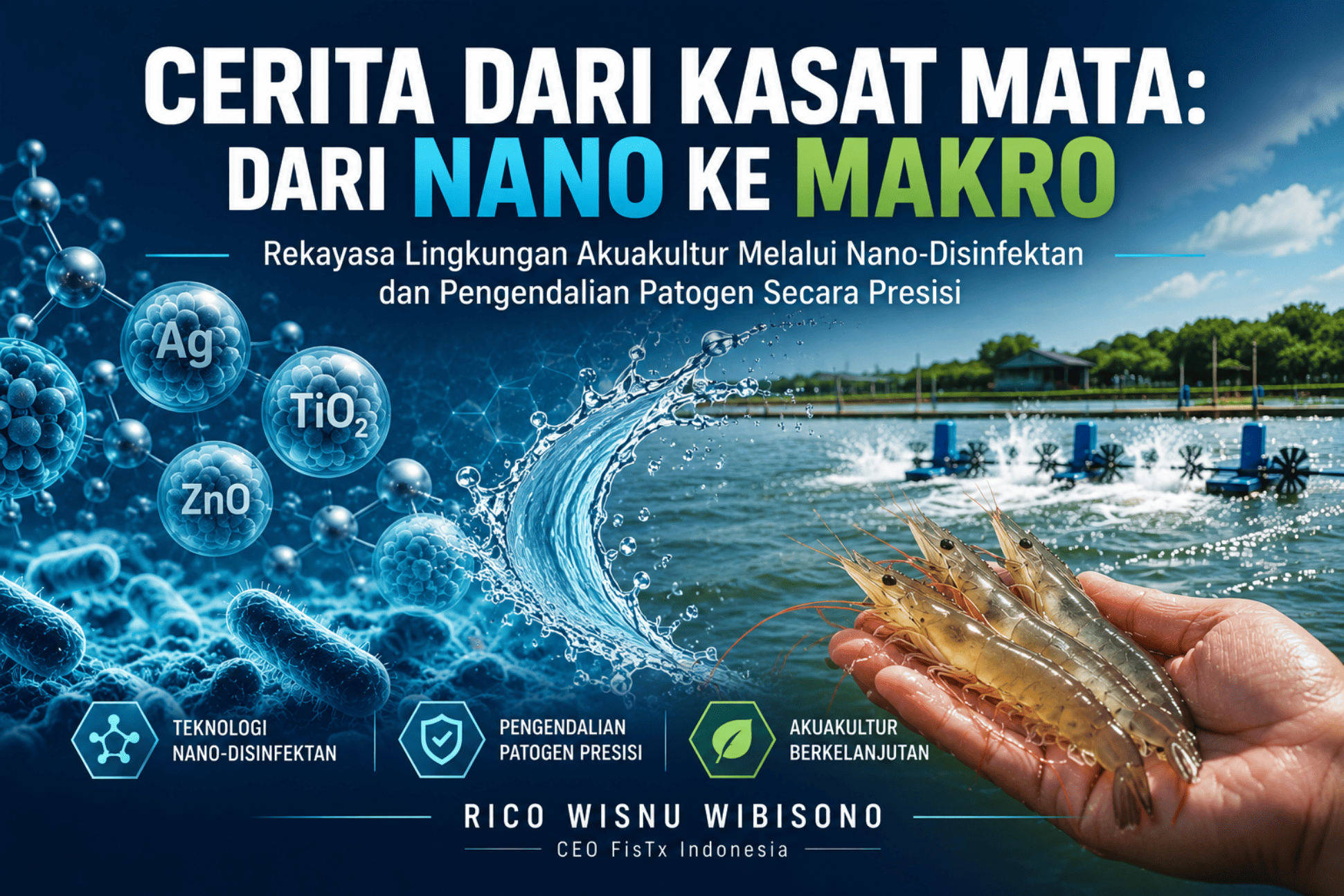
Nano Disinfektan is a technological innovation designed to improve the effectiveness of pond water sterilization through nano-sized particles with high oxidation capabilities.
How it works includes:
- Damaging the cell membranes of microorganisms
- Disrupting the metabolic system of pathogens
- Deactivating DNA or genetic material
- Inhibiting the growth and reproduction of bacteria and parasites
With this mechanism, Nano Disinfektan is able to reduce the population of harmful microorganisms in water, including pathogenic bacteria such as Vibrio, which often causes health problems in shrimp.
A cleaner and more stable aquatic environment will help reduce the risk of infection, including EHP disease in shrimp.
The Advantages of Nano Disinfektan for Shrimp Farming
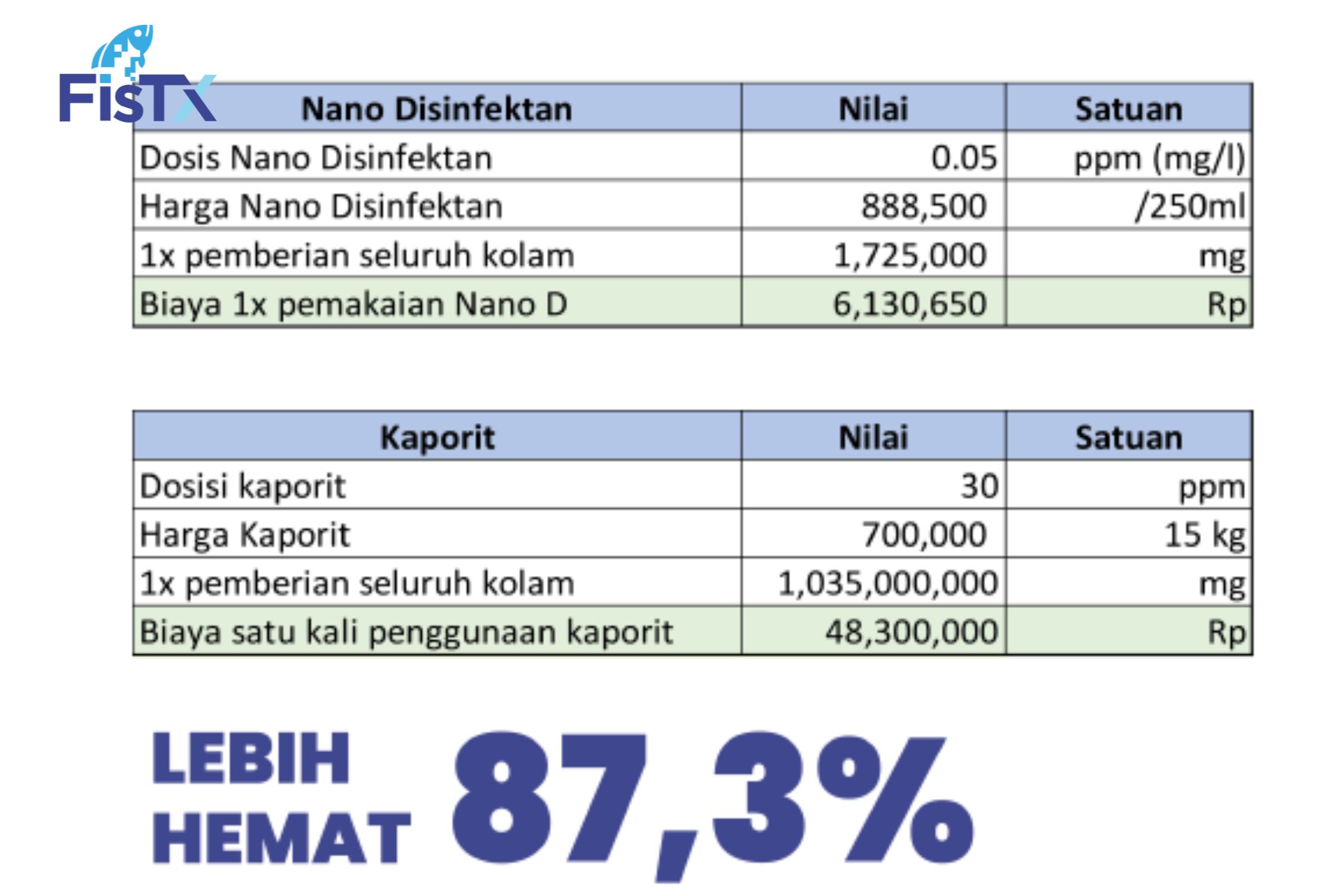
The use of Nano Disinfektan in pond biosecurity systems provides various benefits, including:
- High Effectiveness
Nano technology enables better penetration in deactivating pathogens down to the cellular level. - More Cost-Effective
Compared to conventional methods, the use of Nano Disinfectant can help reduce operational costs due to more efficient dosages. - Environmentally Safe
When used as recommended, Nano Disinfectant does not disrupt the ecosystem balance of shrimp ponds. - Supports Optimal Growth
With lower pathogen pressure, shrimp can grow healthier and more stably. - Supports Modern Biosecurity Systems
Suitable for intensive, semi-intensive, and high-tech aquaculture systems.
The Role of Nano Disinfectants in Preventing EHP
It should be understood that to date there is no truly effective treatment method for eliminating EHP in infected shrimp. Therefore, the best approach is prevention.
The use of Nano Disinfectant can help by:
- Reducing the pathogen load in water before stocking
- Maintaining stable water quality during maintenance
- Reducing the potential for cross-infection between cycles
- Supporting a healthier cultivation environment
- Strengthening the overall biosecurity system
With a controlled environment, the risk of EHP spore spread can be significantly reduced.
Recommended Application Time and Method
For optimal results, Nano Disinfectant can be applied at several important stages:
- Pond Preparation
Used to sterilize water before stocking fry. - Maintenance Period
Regular application helps maintain water quality and suppress pathogen growth. - When Health Decline is Indicated
Can be used to reduce microorganism pressure in the environment.
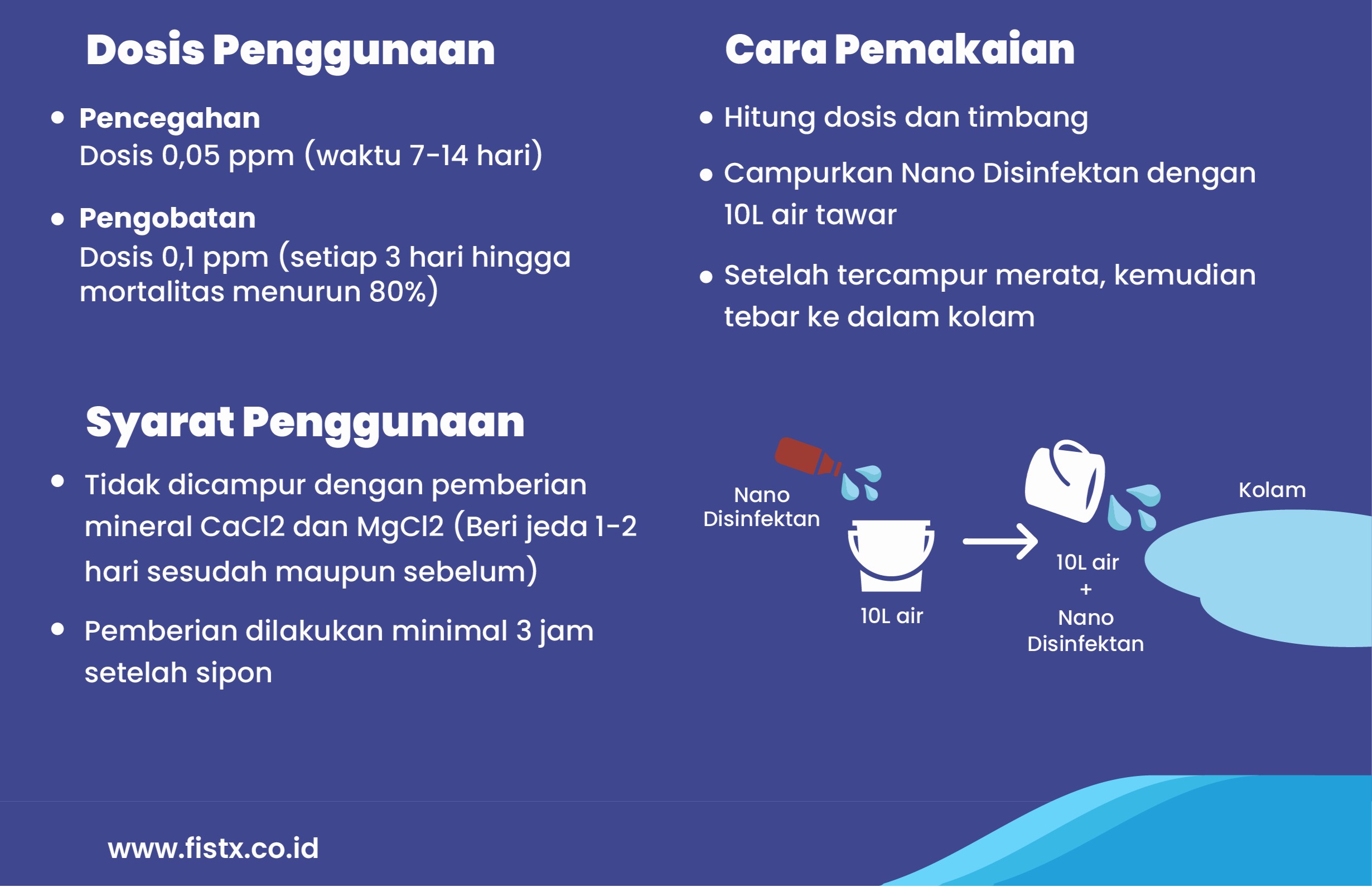
Always follow the dosage recommendations and instructions for use to achieve maximum results and remain safe for cultivated organisms.
Conclusion
EHP disease in shrimp is a serious threat that can reduce productivity without obvious mortality symptoms. Its impact on growth and feed efficiency makes this disease one of the biggest factors causing losses in shrimp farming.
Since there is no truly effective treatment, the best course of action is to implement prevention strategies through strong environmental management and biosecurity systems.
The use of Nano Disinfektan as a modern water sterilization technology can help reduce pathogen load, maintain water quality, and create a more stable and productive farming environment.
Special Promotion for Nano Disinfektan
Want healthier, more productive ponds that are protected from disease?
It's time to switch to Nano Disinfectant for a more effective and economical biosecurity system.

Order info: CLICK HERE!
Hurry up before it runs out...