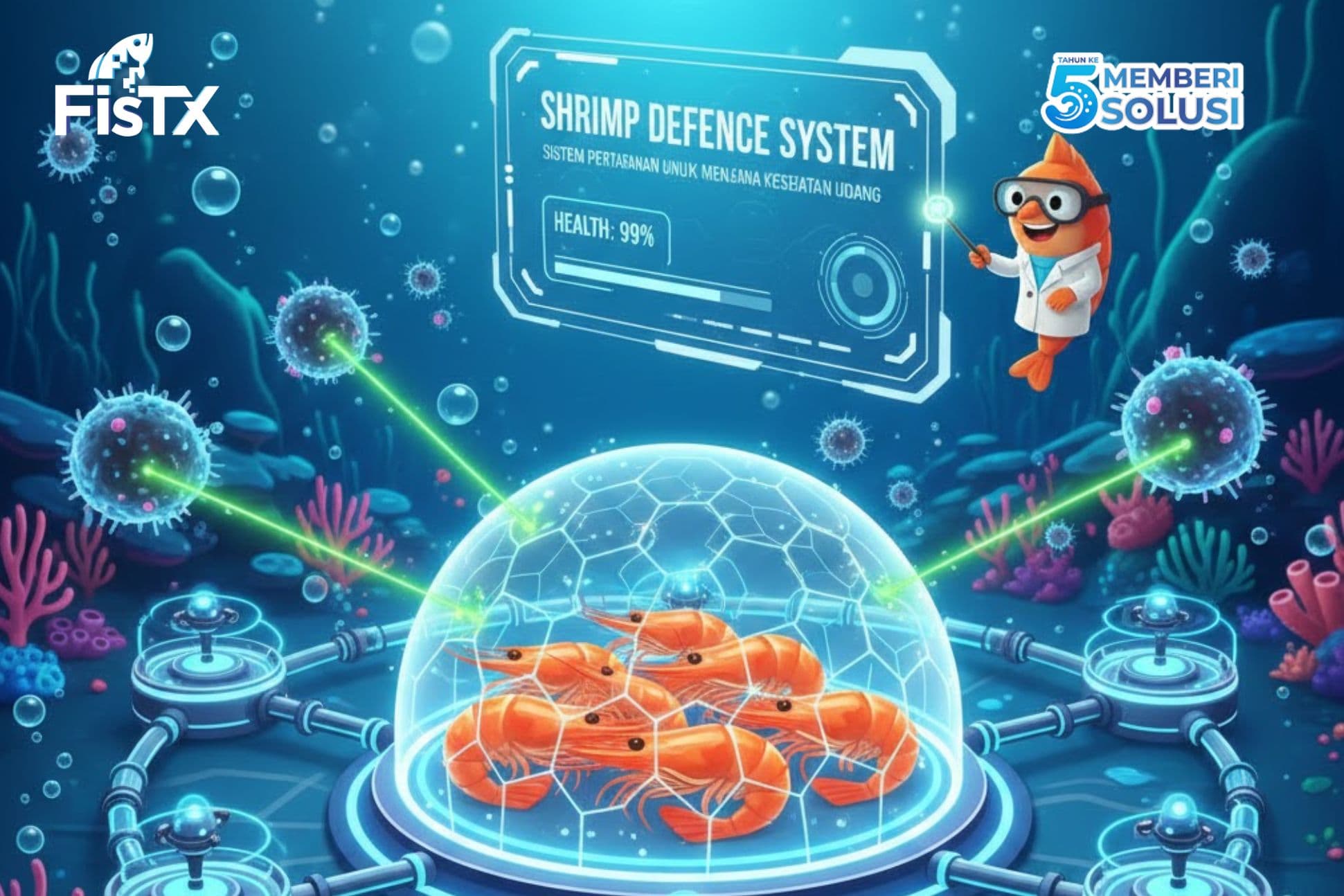
Shrimp Defence System: A Defence System to Maintain Shrimp Health
Shrimp ponds are home to various types of microorganisms, both beneficial and harmful. Harmful microorganisms can attack the shrimp's immune system, causing them to fall ill. To stay healthy, shrimp have an innate immune system.
Unlike humans, who have antibodies, shrimp rely on natural defence mechanisms consisting of three main layers:
- Physical Barriers
- Cellular Defences
- Humoral Defence
The combination of these three is called the Shrimp Defence System.
Physical Barriers in Shrimp
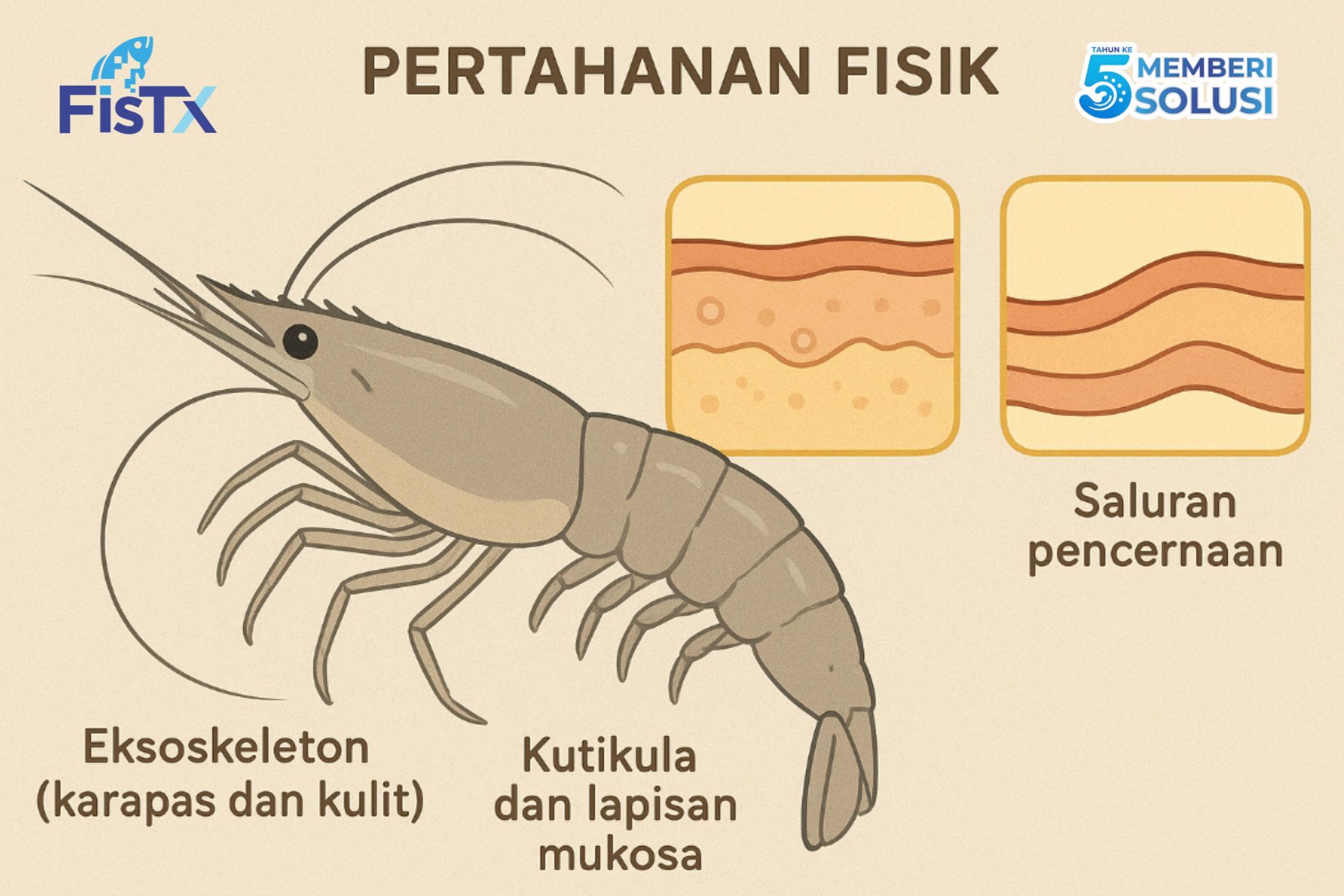
Physical defence is the outermost defence in the shrimp's body. This defence is the first layer to prevent the entry of pathogens. Some important components of Physical Barriers include:
- Exoskeleton (carapace and skin): the outermost layer to protect shrimp from physical matter
- Cuticle and mucous layer: prevents bacteria and viruses from attaching
- Digestive tract: equipped with enzymes, specific pH levels, and microflora that suppress pathogen growth
When shrimp molt or suffer injuries, their physical defences become weak, increasing the risk of disease.
Cellular Defences in Shrimp
If pathogens manage to penetrate the physical defences, the haemocytes (shrimp blood cells) will act as a second line of defence. Their functions include:
- Phagocytosis: engulfing and destroying microbes.
- Encapsulation: enveloping large pathogens to prevent them from spreading.
- Nodulation: gathering pathogens into aggregates so that they can be easily destroyed.
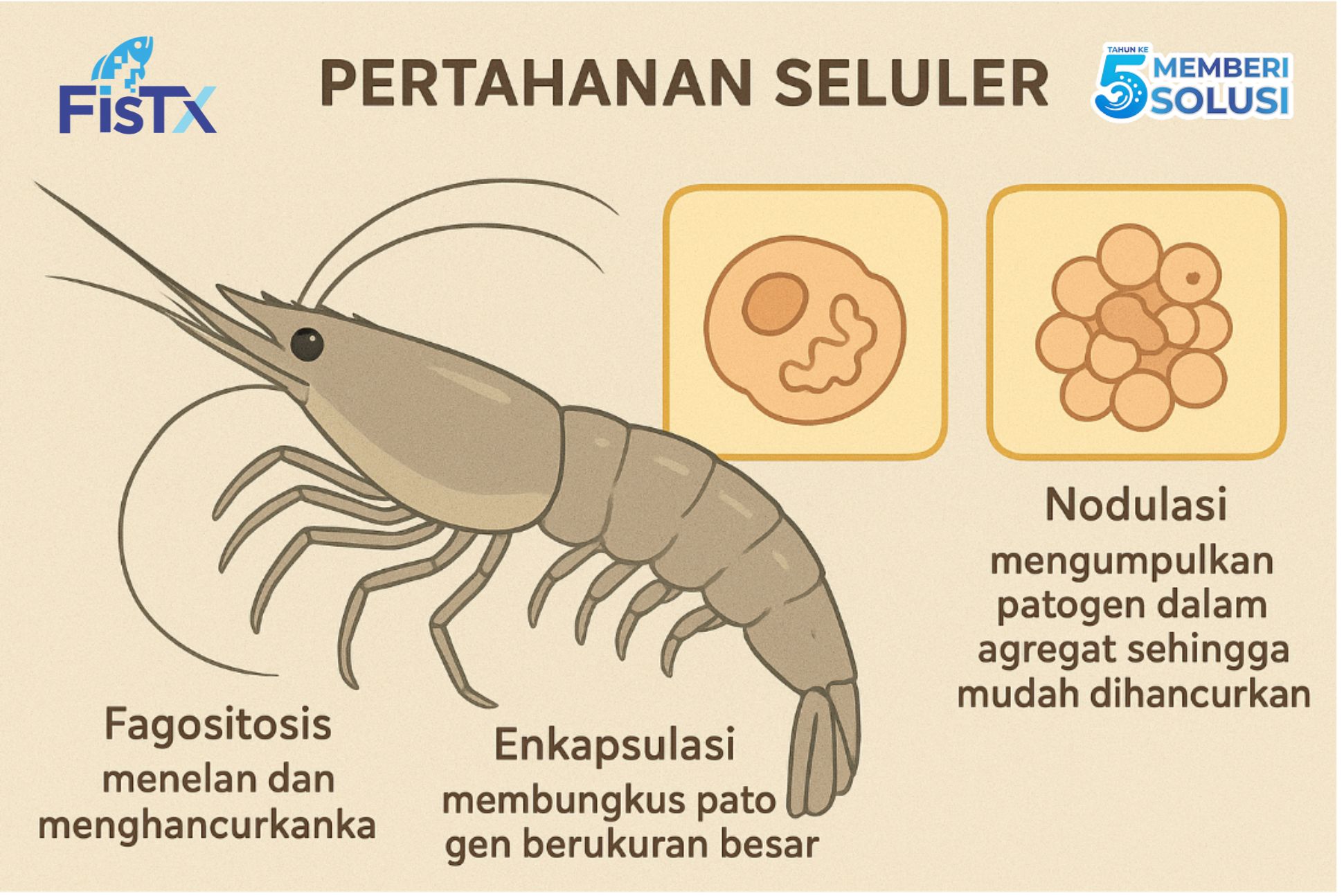
This cellular mechanism ensures that pathogens do not multiply inside the shrimp's body.
Humoral Defences in Shrimp
Humoral defence involves chemicals and proteins in haemolymph (shrimp blood) that actively fight infection. Some of its components are:
- Prophenoloxidase (proPO) system: produces melanin to isolate pathogens.
- Antimicrobial peptides (AMPs): natural compounds that kill bacteria, fungi, or viruses.
- Lectins and agglutinins: proteins that recognise and bind pathogens.
- Lysozyme: an enzyme that breaks down bacterial cell walls.
These molecules work together to quickly neutralise threats within the shrimp's body.
The Importance of Maintaining the Shrimp Defence System
The health of the shrimp defence system is greatly influenced by the conditions of the farming environment. To maintain and improve the shrimp's immune defence, farmers can take several steps, one of which is to reduce the ammonia load in the pond. Ammonia in ponds can trigger the growth of pathogenic bacteria and viruses that cause diseases such as EHP and AHPND.
Reduce ammonia levels in your pond with TIPTOPP POND.
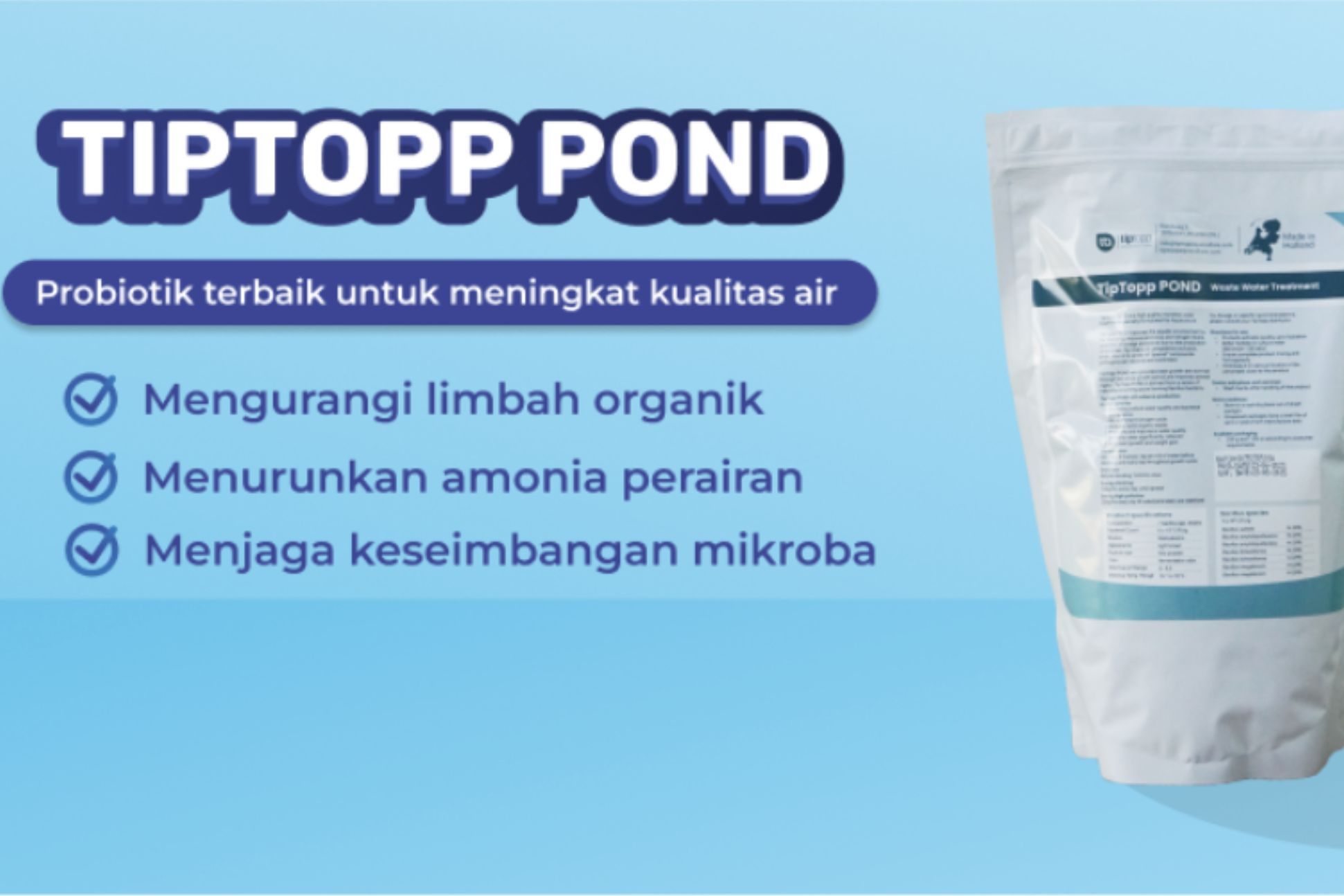
TIPTOPP POND contains 100% bacillus probiotics to reduce ammonia waste in shrimp ponds, maintain microbial balance and maintain the shrimp's immune system.
You can purchase TIPTOPP POND products only at the FisTx marketplace or contact us at +62 823-2354-5511.