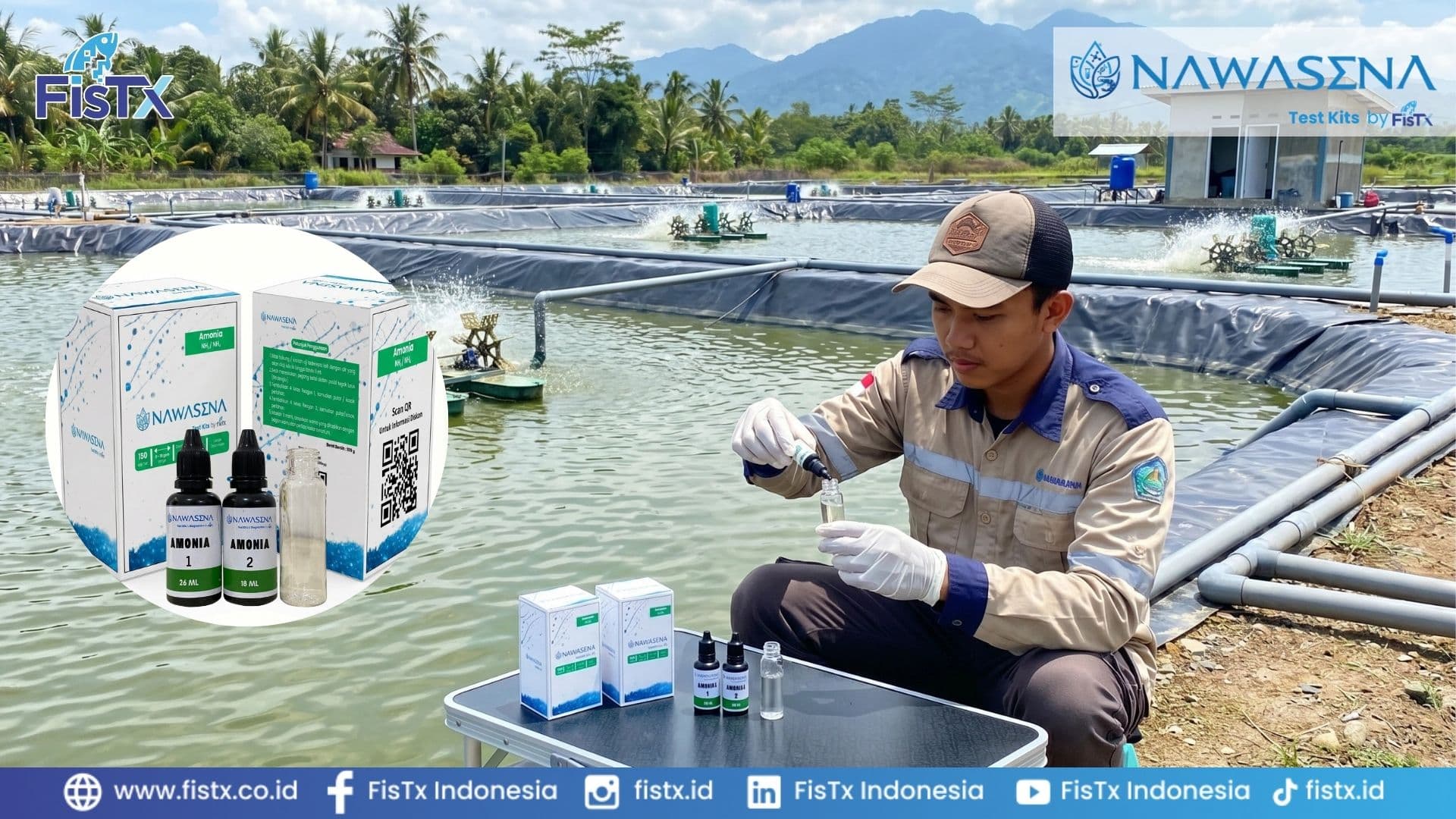
Introducing Nawasena Amonia: A Solution for the Early Detection of Ponds Contaminated with Toxins to Maximise Yields
The Threat of the “Invisible Killer” in Shrimp Farms
In aquaculture ecosystems, crop failures often occur ‘silently’. Shrimps often appear healthy in the morning, yet suffer mass mortality in the afternoon without any obvious clinical symptoms. The main culprit is the accumulation of ammonia—a toxic nitrogen compound resulting from the decomposition of uneaten feed, faeces and dead organisms. As an ‘Invisible Killer,’ ammonia damages the shrimp’s physiology from within before physical signs become apparent.
To address this risk, Nawasena Amonia serves as the frontline in early detection systems. By converting invisible parameters into measurable data, farmers can take precise preventive action before the pond’s biological balance collapses entirely.
Ammonia is the most critical toxin in shrimp ponds. Late detection not only risks reduced performance but is the primary cause of total harvest failure.
What is Nawasena Ammonia?
Here is the Product Description and Technical Specifications
Nawasena Ammonia is a colourimetric (colour reaction) field test kit designed to provide high accuracy in challenging field environments. This product enables aquaculture technicians to obtain real-time data without relying on time-consuming laboratory logistics.
Here are the key technical specifications of Nawasena Ammonia:
Fitur | Spesifikasi |
| Metode Uji | Reaksi Warna (Colorimetric) |
| Waktu Uji | 3-5 Menit |
| Rentang Ukur (Range) | 0 – 10 ppm |
| Kapasitas | 150 kali tes |
| Target Penggunaan | Udang Vannamei, Ikan Air Tawar/Laut, Sistem Intensif & Semi-Intensif |
Why Do Fish Farmers Need Nawasena Ammonia? The Dangers of Free Ammonia (NH₃)
As consultants, it is important for us to emphasise the biological difference between Ammonium (NH₄⁺) and Free Ammonia (NH₃). Ammonium tends to be non-toxic, whereas Free Ammonia (NH₃) is a lethal toxin that penetrates gill membranes, damages the respiratory system, and suppresses the immune system (immunosuppression).
A crucial factor to understand is the relationship between pH and temperature. The higher the pH and water temperature, the more the chemical equilibrium shifts, converting safe NH₄⁺ into toxic NH₃. This is why routine testing with Ammonia Test Kits is vital during the day when pH and temperature reach their peak.
Hazard Thresholds for Vannamei Shrimp:
- < 0.1 ppm: Safe (Optimal conditions).
- 0.1 – 0.3 ppm: Caution (Shrimp begin to show stress, metabolism is disrupted, appetite drops).
- > 0.3 ppm: Hazardous (Risk of mass mortality due to permanent gill tissue damage).
Key Benefits of Nawasena Ammonia for Pond Management
- Integrating Nawasena Ammonia into daily standard operating procedures (SOPs) offers four strategic advantages:
- Early & Real-Time Detection: Eliminates the time lag between sampling and results. Decisions can be made within minutes, right at the pond’s edge.
- Production Cost Efficiency: With a very low cost per test, you can prevent losses of hundreds of millions of rupiah due to mass mortality or the unnecessary use of chemicals.
- Data-Driven Operational Accuracy: Replacing technicians’ intuition or ‘gut feeling’ with objective data. Data precision is key to maintaining a low Feed Conversion Ratio (FCR).
- Support for Preventive Decision-Making: Accurate data guides you on when to perform siphoning, adjust feeding strategies, administer nitrifying probiotics, or apply disinfectants to reduce organic load.
Golden Moment Monitoring: Carry out regular checks after feeding large portions, following heavy rain (which often causes pH fluctuations), or if the water clarity changes drastically.
Practitioner’s Insight: Reading Trends and Avoiding the ‘Nitrite Trap’
In intensive aquaculture, a single figure is not enough; you must read the trends.
- Slow Rising Trend: (e.g. 0.05 → 0.1 → 0.15 ppm over 3 days). This is an early warning sign that nitrifying bacteria are becoming overwhelmed or that overfeeding is occurring.
Rapid Spike: Indicates a collapse of the biological system. Immediately stop feeding, maximise aeration, and carry out a water change.
Beware of the Nitrite Trap: Be wary of ‘Low Ammonia’ results. Low ammonia does not always mean it is safe if the nitrogen cycle has stalled midway. If the nitrification process is blocked, ammonia will convert into nitrite (NO₂), which is far more dangerous.
Therefore, ammonia checks must be accompanied by a measurement of alkalinity. Remember, alkalinity is the primary ‘fuel’ for nitrifying bacteria to function. Without sufficient alkalinity (ideally 100–150 ppm), ammonia will not break down completely and will accumulate as a toxin.
Exclusive Offers & Aquaculture Investments
The security of your aquaculture investment starts with affordable yet accurate monitoring. Nawasena Amonia offers the most efficient solution in its class:
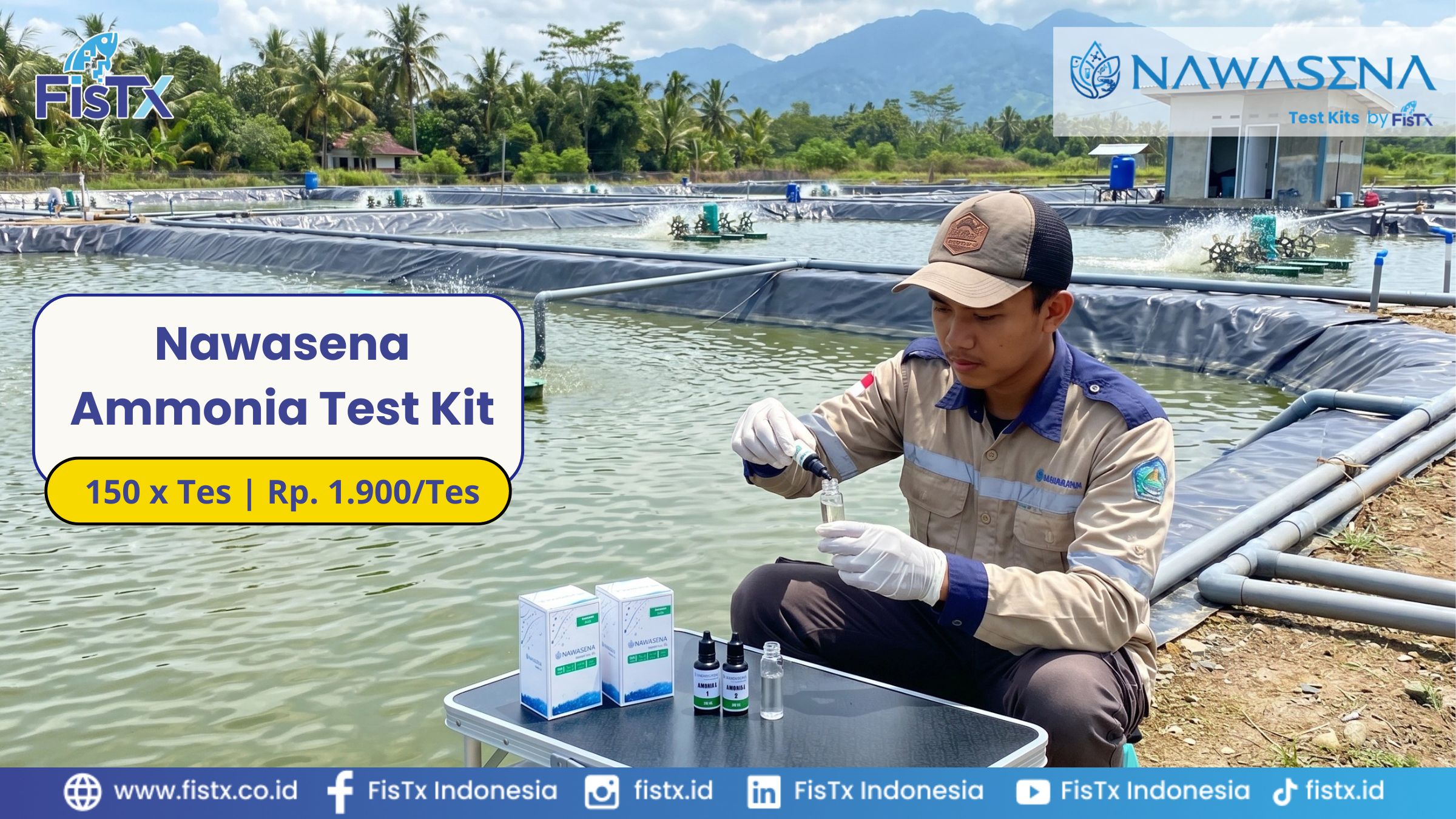
This investment is far smaller than the risk of losing an entire harvest cycle. In the modern aquaculture industry, successful management is not reactive, but preventative.
Don’t let the “Invisible Killer” ruin your future harvests. Take control of your pond ecosystem with precise data today. Get Nawasena Amonia by simply clicking this link or by contacting our technical team for further consultation on water quality management.
Read More Articles
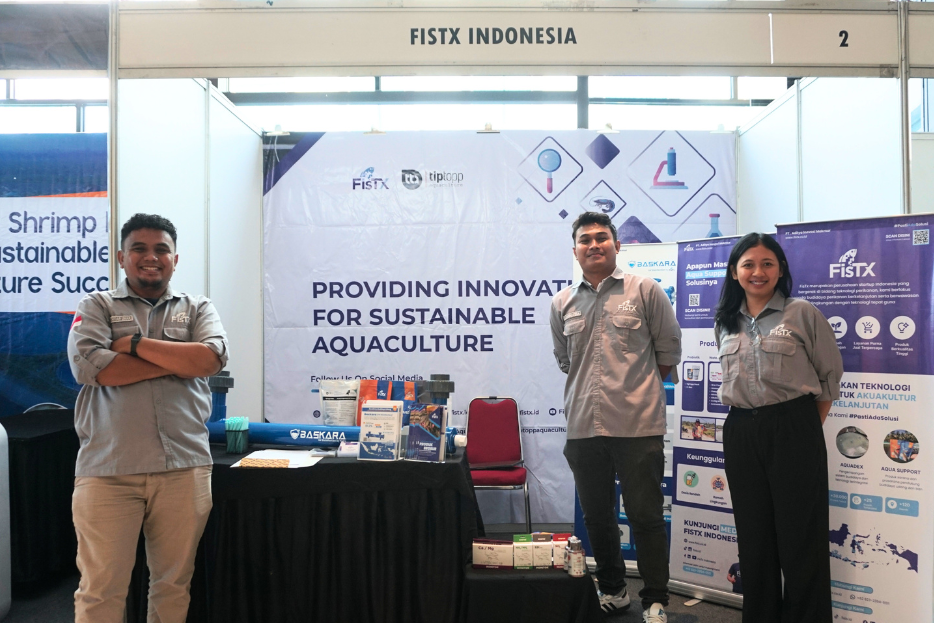
FISTX Presents at Sasarehan SCI Jabar-Banten: Innovation in Environmentally Friendly Shrimp Farming Technology
24 September 2024

5 Vannamei Shrimp Diseases to Be Cautious Of
15 December 2023
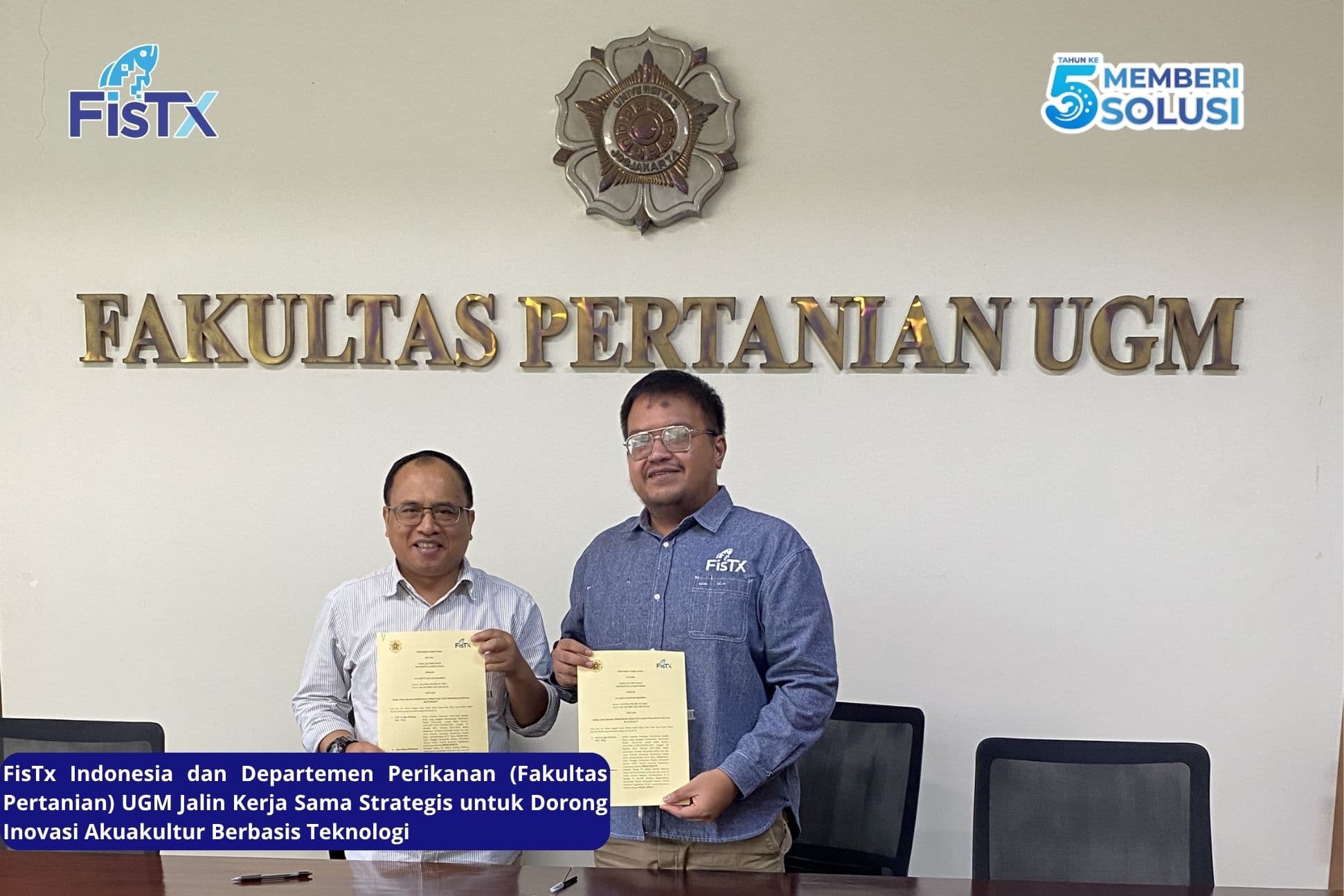
FisTx Indonesia and the Department of Fisheries (Faculty of Agriculture) at UGM have entered into a strategic partnership to promote technology-based aquaculture innovation
06 May 2026