First Harvest of Silvofishery Programme in Dabong Village, Kubu Raya, Proves Success of Sustainable Aquaculture
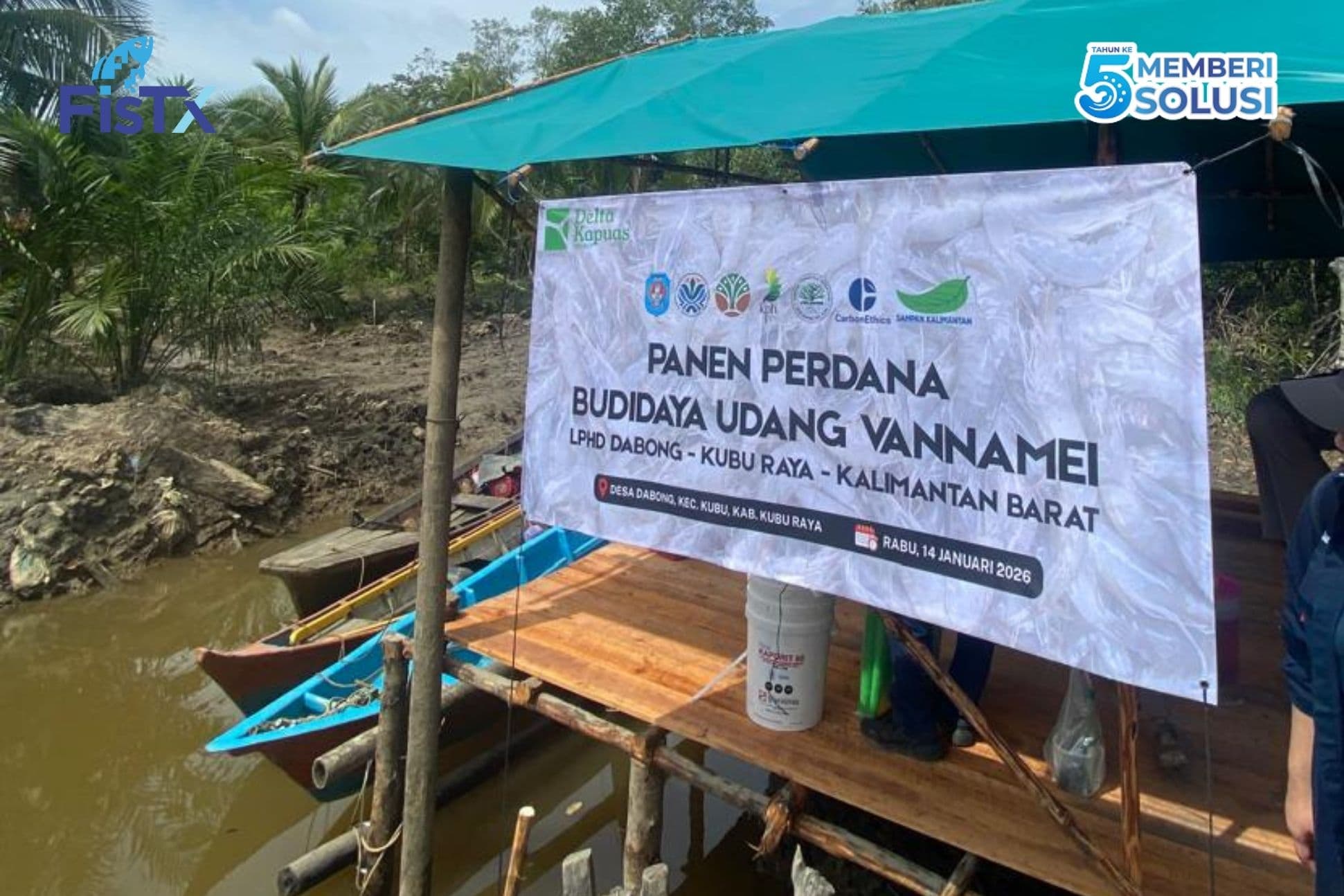
Dabong Village, Kubu Subdistrict, Kubu Raya Regency, West Kalimantan, marked an important milestone in the development of sustainable aquaculture through the First Harvest of the Silvofishery Programme, which was held on Wednesday, 14 January 2026.
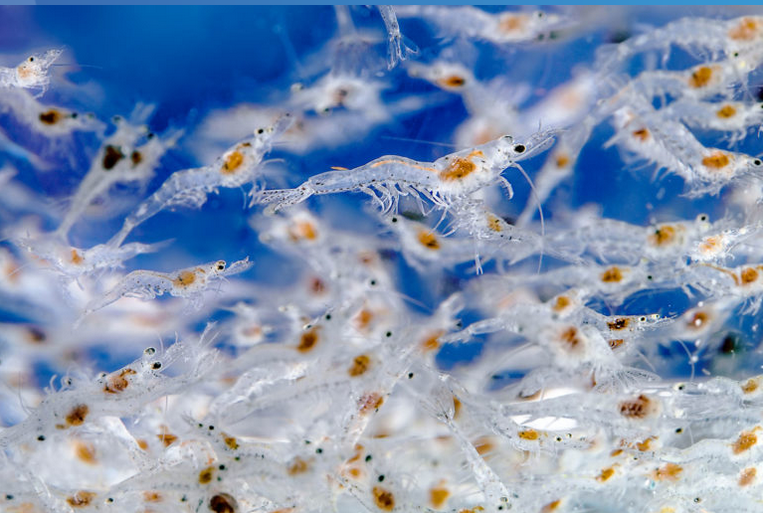
This first harvest is the result of collaboration between CarbonEthics, SAMPAN Kalimantan, and FisTx Indonesia in integrating vaname shrimp farming with coastal mangrove ecosystem conservation. In a 120-day farming cycle (DOC 120), the programme successfully produced size 30–57 shrimp while maintaining the environmental balance of the Dabong Village coast.
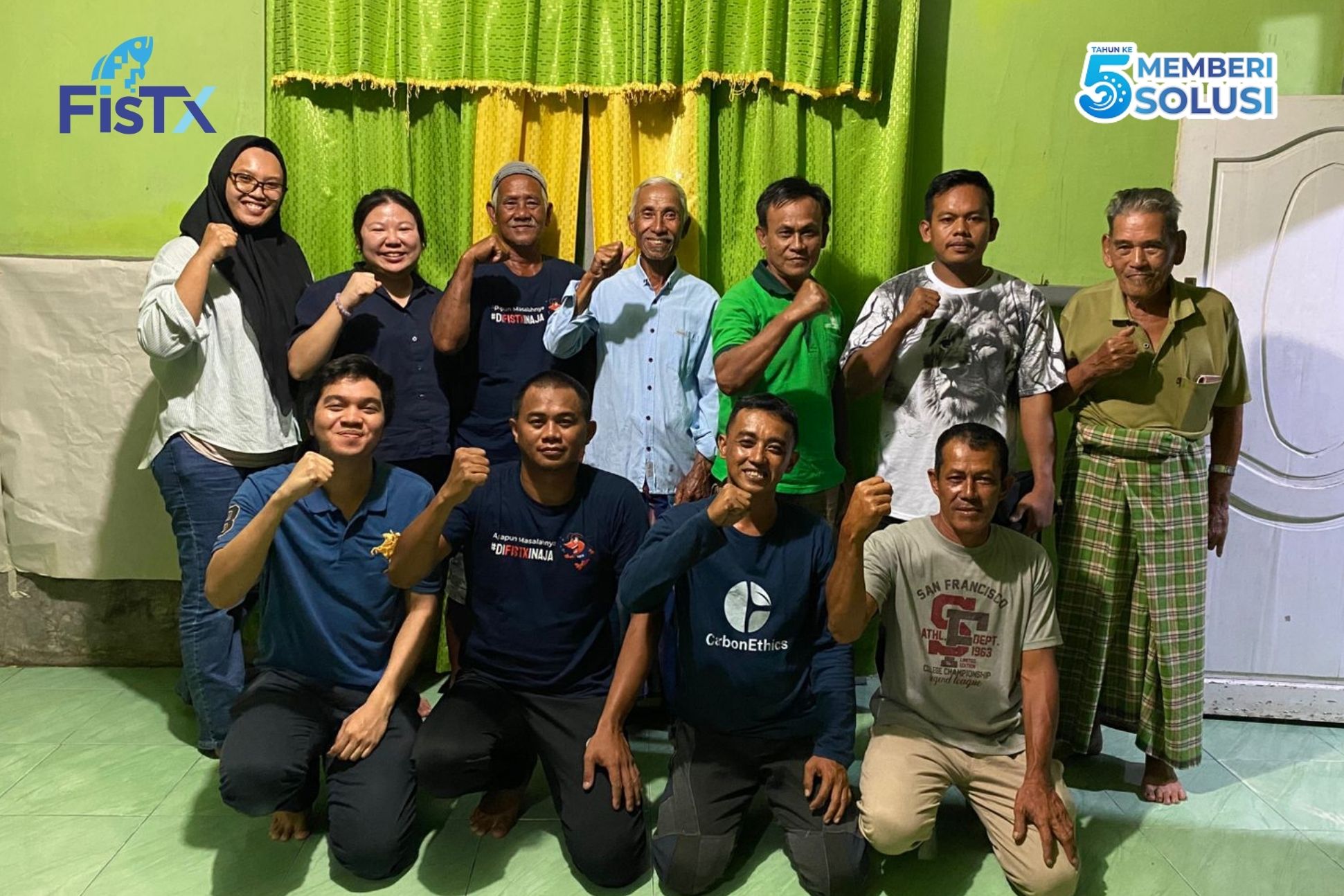
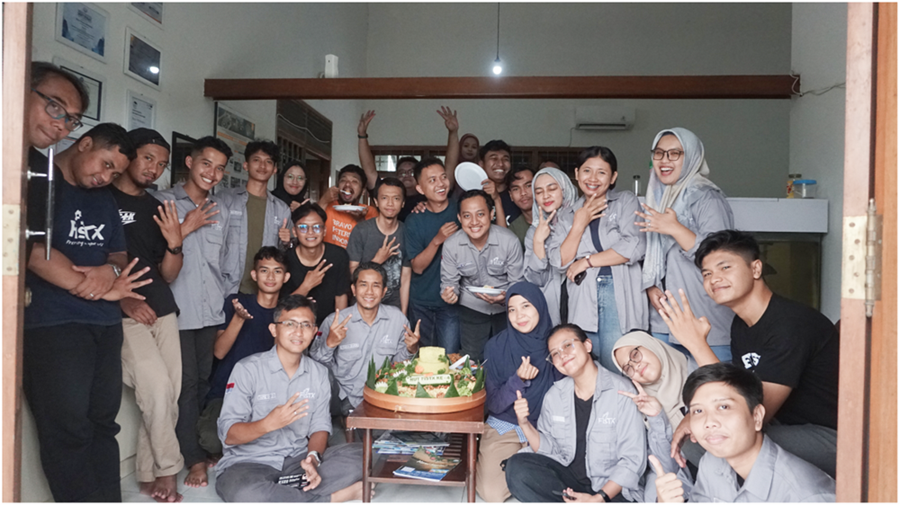
The harvest was attended by various stakeholders, ranging from the Dabong Village LPHD, owners of silvofishery programme ponds, to facilitators from CarbonEthics, SAMPAN Kalimantan, and FisTx Indonesia, as a form of cross-sector collaboration in promoting sustainable aquaculture practices.
In this programme, FisTx Indonesia played an active role through cultivation assistance by providing additional knowledge to farmers regarding the application of cultivation SOPs, routine water quality monitoring, shrimp growth sampling activities, and the use of supporting multivitamins to maintain shrimp health throughout the cultivation cycle. This assistance approach was an important factor in supporting optimal and sustainable harvest success.
“Silvofishery cannot work alone. The success of this harvest is the result of close collaboration between coastal communities, supporting partners, and other stakeholders. FisTx is committed to continuing to support farmers so that sustainable farming practices can grow and be replicated widely,” said Moga Kusuma, Head of Farming at FisTx.
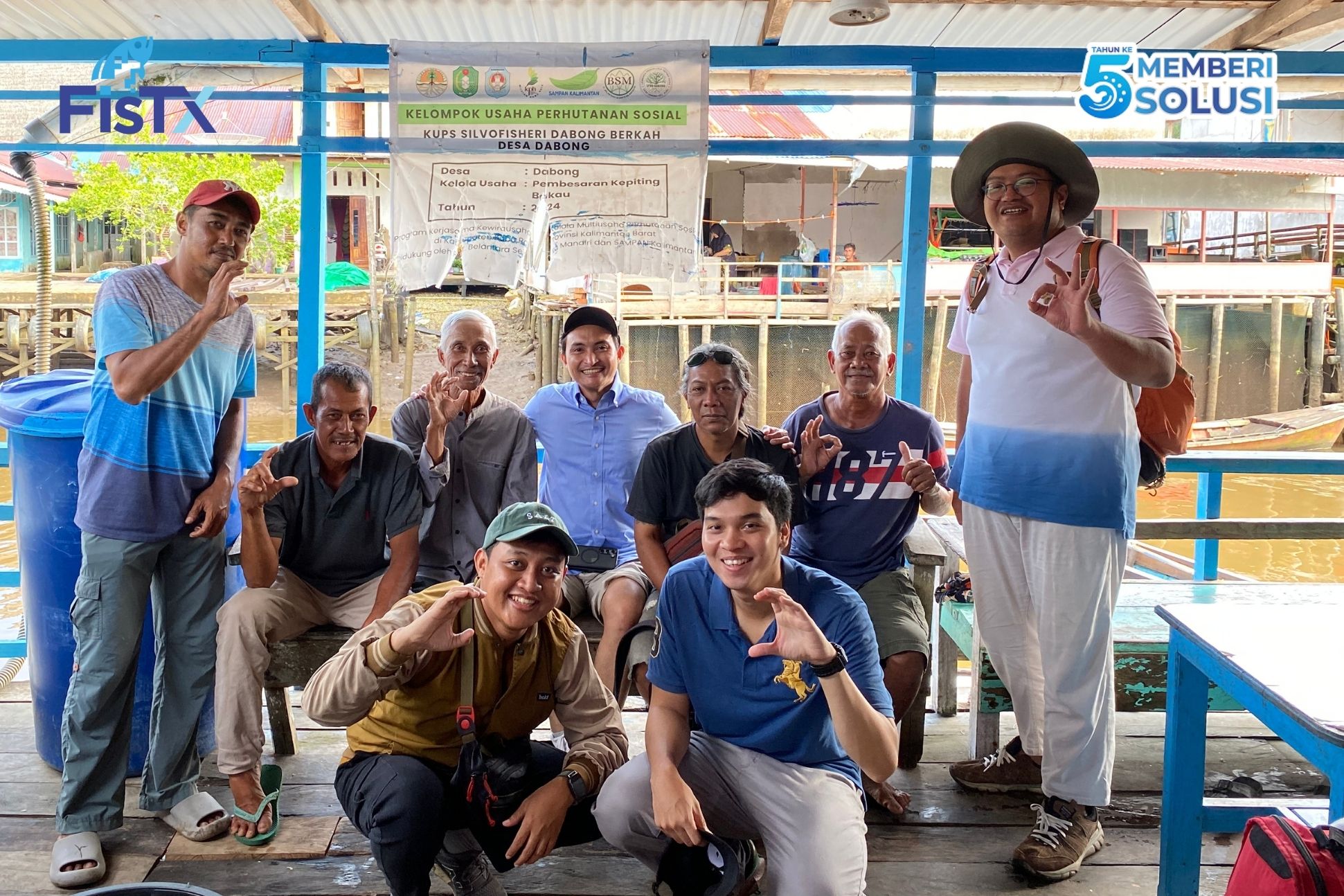
The success of this first harvest demonstrates that the silvofishery model can enhance pond productivity while preserving coastal ecological functions. Moving forward, this programme is expected to be replicated on a large scale across Indonesia's coastal regions through the involvement of the government, coastal communities as landowners of ponds and mangroves, and supporting partners, to achieve responsible and sustainable aquaculture.