Shrimp Farm Water Sterilization Solution: Combination of UV & Electrolysis
Combining UV Technology and Electrolysis: A More Optimal Water Sterilization Solution for Modern Shrimp Farming
In intensive shrimp farming, production success is not only determined by the quality of fry and feed, but also by one factor that is often a major source of problems: water quality.
The entry of pathogens through source water or the growth of opportunistic bacteria in ponds can trigger various diseases, reduce survival rates, and ultimately reduce harvest productivity. Therefore, water sterilization systems are an important part of modern pond biosecurity strategies.
Until now, farmers have generally used a single sterilization technology, such as UV light or chemical disinfectants. However, technological developments show that a single approach is often insufficient to provide stable protection in intensive farming systems.
Now, more and more systems are combining two technologies: UV and electrolysis. So, how does this combination actually perform, and is it really more effective for shrimp farming?
The Challenge of Water Sterilization in Intensive Aquaculture
Intensive ponds are characterized by high organic loads, high stocking densities, and continuous water circulation. Under these conditions, pathogens can originate from various sources:
- Raw water from the sea or rivers
- Accumulation of organic matter
- Feed and metabolic waste
- Fluctuations in environmental quality
If not properly controlled, bacteria such as Vibrio can multiply rapidly. The problem is that a single sterilization is not enough. Clean water can become contaminated again in a short period of time.
This is why modern biosecurity systems require two approaches simultaneously:
- Instant kill disinfection
- Residual protection
The combination of UV and electrolysis technologies is designed to address these needs.
The Role of UV Technology in Pond Water Sterilization
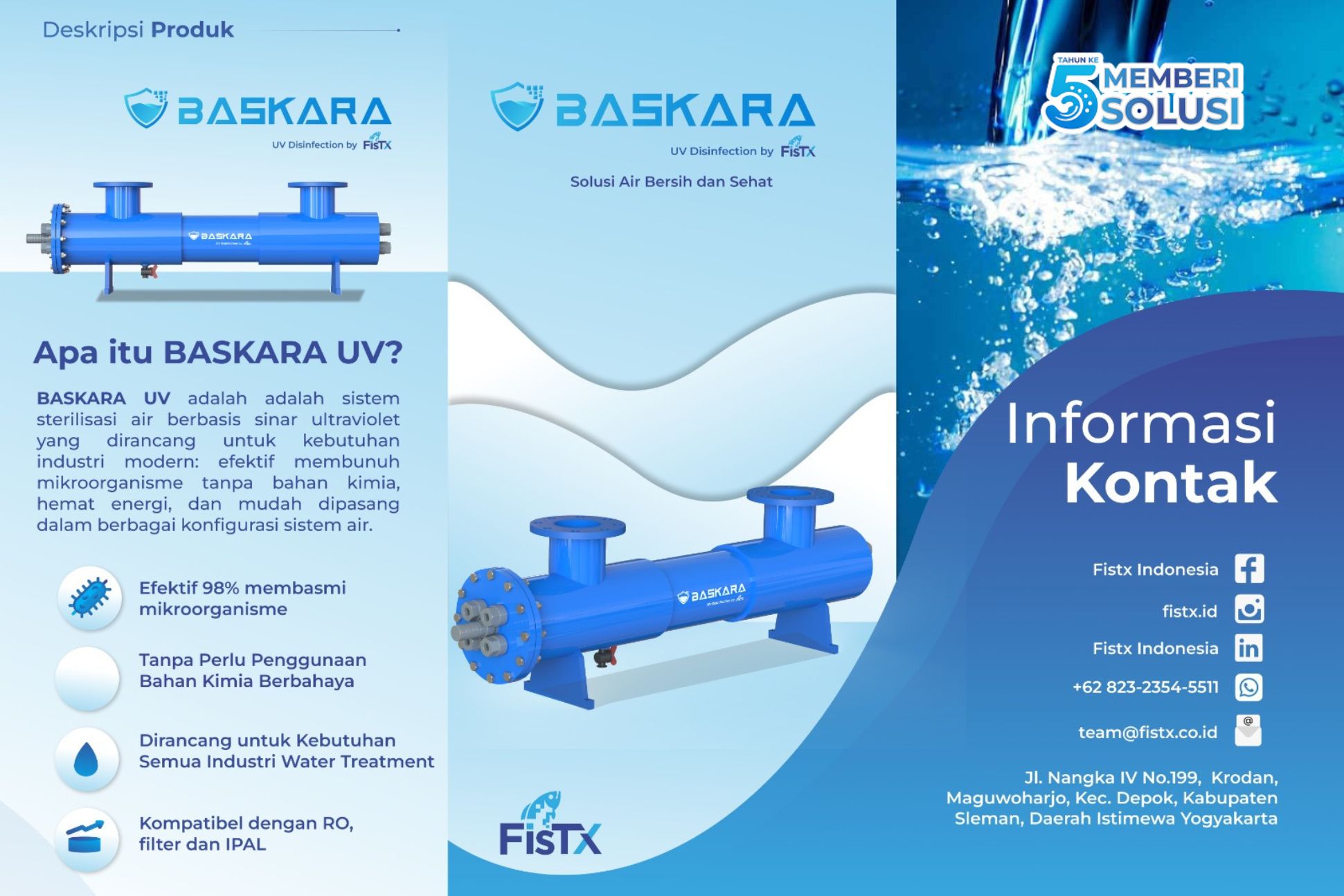
UV technology works by utilizing ultraviolet light, specifically UV-C, to damage the DNA and RNA of microorganisms. When the genetic structure of pathogens is damaged, they cannot develop or infect shrimp.
The main advantages of UV technology include:
- Ability to quickly inactivate bacteria, viruses, and fungi
- No use of chemicals
- No harmful residues left in the water
- Safe for the environment and farmed organisms
In pond systems, UV is usually placed in the water inlet or recirculation system. Water passing through the UV unit will be disinfected before being reused.
However, the effectiveness of UV is highly dependent on water conditions. If the water is too turbid or contains many suspended particles, light penetration will decrease. In addition, UV only works when water passes through the unit. Once the water enters the pond, there is no further protective effect.
In other words, UV is highly effective for instant disinfection, but it does not provide long-term control over microbial growth.
The Role of Electrolysis in Maintaining Water Quality Stability
Unlike UV, electrolysis technology works through an electrochemical process. This system converts natural ions in water into active oxidizing compounds, primarily hypochlorous acid (HOCl).
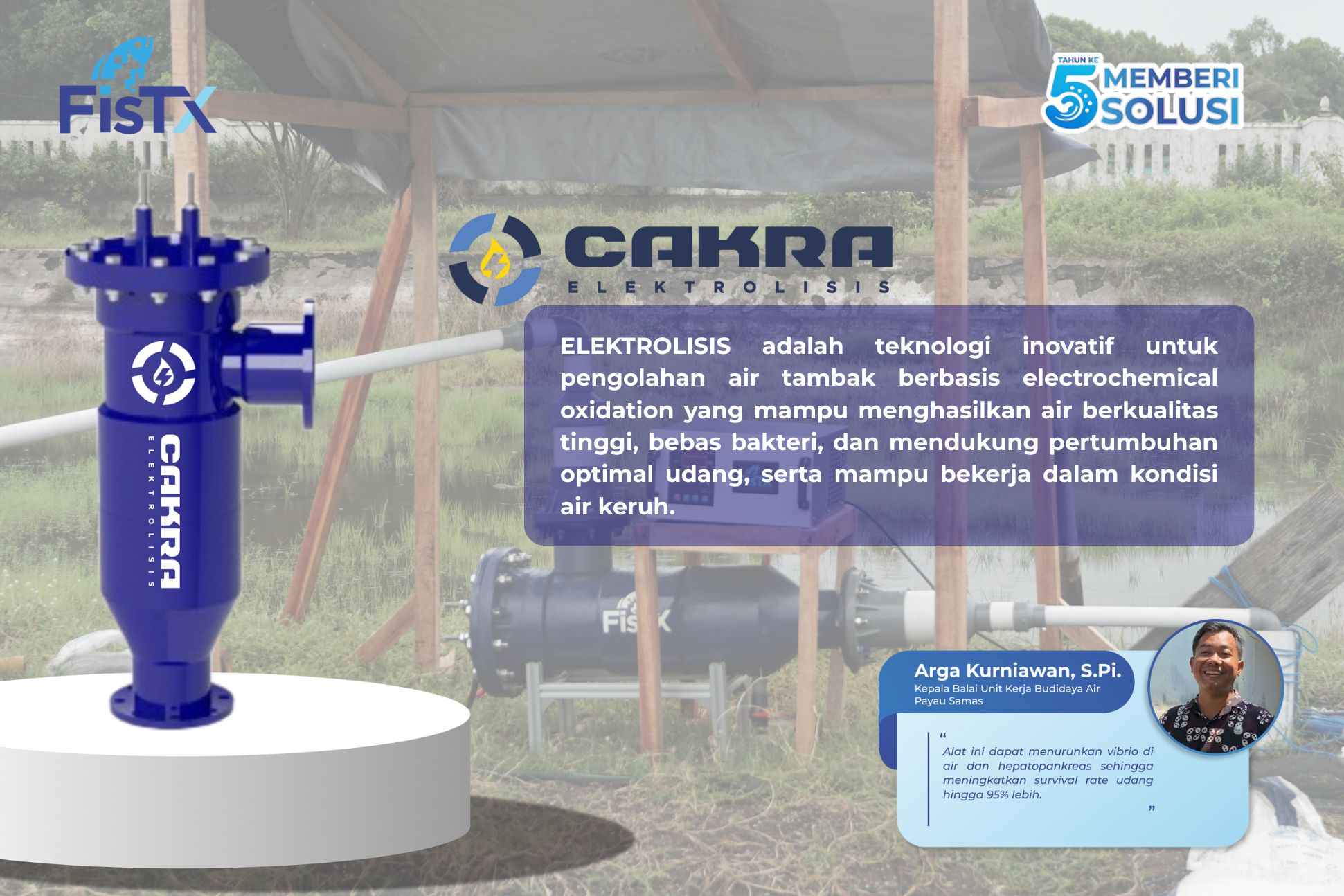
HOCl is a highly effective disinfectant in suppressing pathogenic bacteria, including Vibrio. Other advantages:
- Produced directly from water, without additional chemicals
- Provides a disinfectant effect that lasts within the system
- Increases ORP (Oxidation Reduction Potential)
- Helps control organic load and harmful compounds
- Supports a healthier microbial ecosystem stability
In field applications, electrolysis technology has been proven to significantly reduce pathogen levels and increase shrimp survival rates.
If UV acts as a “quick cleaner,” then electrolysis acts as a sustainable water quality guardian.
Why are UV and Electrolysis More Effective When Combined?
Using either technology alone certainly provides benefits. However, when both are combined in one system, a synergistic effect occurs that provides more comprehensive protection.
Synergy Mechanism
- Initial Disinfection by UV
Water flowing through the UV unit will immediately experience a drastic reduction in the number of microorganisms. - Advanced Protection by Electrolysis
After that, the presence of HOCl in the water will suppress the regrowth of pathogens in the pool or recirculation system.
Results:
- Low initial microbial load
- Controlled regrowth of pathogens
- Reduced risk of disease outbreaks
- More stable water quality in the long term
This approach is particularly important in intensive systems, where water quality can change rapidly.
Combination Sterilization System Scheme
For optimal performance, the combination of UV and electrolysis needs to be placed in the correct sequence.
Recommended stages:
- Mechanical Filtration
Removes sludge and particles to increase UV effectiveness. - Electrolysis Unit
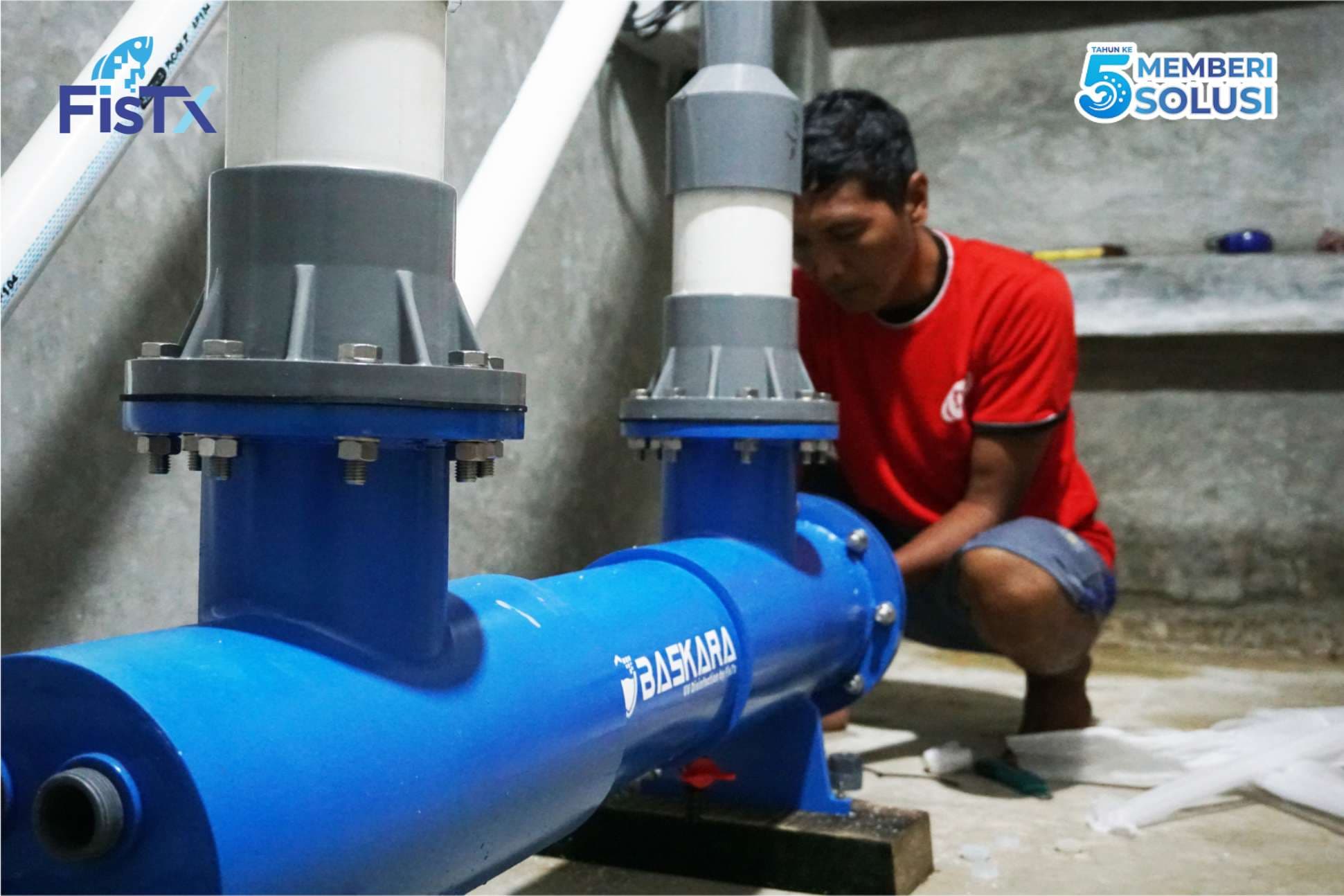
Produces HOCl and increases ORP values as initial protection. - UV Unit
Provides additional disinfection to ensure that any remaining pathogens are completely inactivated. - Buffer or Distribution Tank
The stabilized water is then channeled to the cultivation pond.
With this system, the water entering the pond is not only microbiologically clean, but also has stable chemical conditions.
Benefits of Combination Systems for Pond Productivity
The simultaneous application of UV and electrolysis technologies provides several strategic advantages:
- Stronger Biosecurity
Two layers of protection help reduce the risk of pathogens entering and developing. - Reduced Dependence on Chemicals
Natural HOCl production reduces the need for chlorine or additional disinfectants. - Cultivation Environment Stability
Maintained ORP values help create healthier water conditions for shrimp. - Lower Disease Risk
A stable environment supports growth and improves survival rates. - Long-Term Operational Efficiency
Treatment costs, outbreak management, and crop failure can be minimized.
Who Needs This System the Most?
The combination of UV and electrolysis is highly recommended for:
- Intensive and super-intensive ponds
- Recirculation systems (RAS)
- Locations with fluctuating source water quality
- Ponds with a history of recurring disease
- Farmers targeting high and sustainable production
The higher the density and production targets, the greater the need for a stable water biosecurity system.
The Future of Aquaculture Biosecurity: A Multi-Technology Approach
The shrimp farming industry continues to move towards more precise, efficient, and environmentally friendly systems. A single approach to water quality management is being abandoned, replaced by the integration of several complementary technologies.
The combination of UV and electrolysis reflects this direction:
- Minimal chemicals
- Effective against pathogens
- Stable in the long term
- Supports sustainable production
For farmers who want to increase competitiveness and reduce production risks, investing in an integrated sterilization system is a strategic step.
Read more: The Biosecurity Revolution in Modern Shrimp Farming
Kesimpulan
UV and electrolysis technologies have different functions but complement each other. UV provides rapid disinfection without residue, while electrolysis provides continuous protection through the production of HOCl and improved water quality stability.
When used together in an integrated system, both technologies can create a safer, more stable, and more productive cultivation environment.
In the context of modern intensive cultivation, this combination is not only a technical solution but also a risk management strategy to ensure consistent production success.