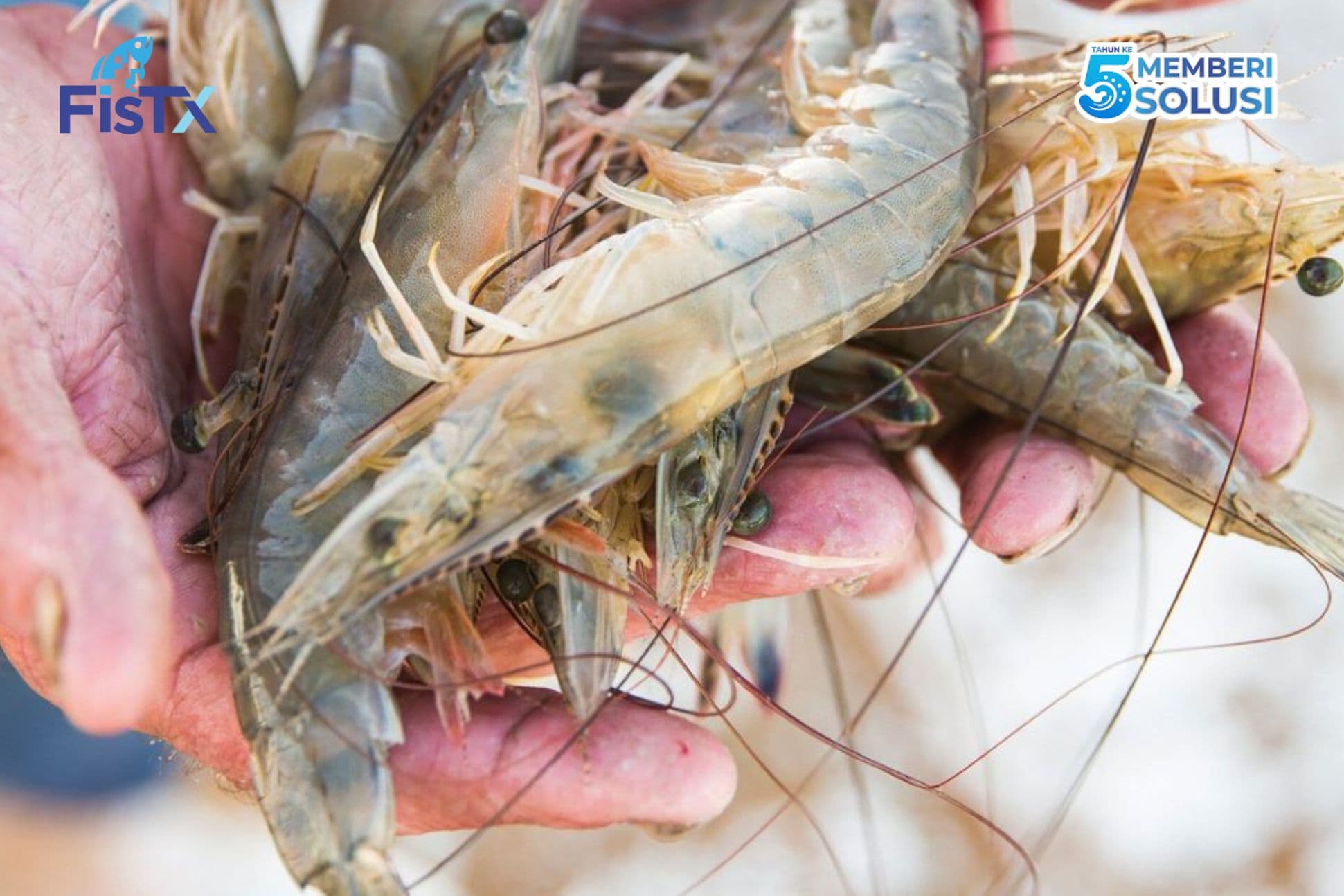
Building Sustainable Shrimp Farming with Pond-Friendly Technology
Indonesian shrimp farming is at an important turning point. After years of being driven by high production targets and intensification, it is becoming increasingly clear that long-term success cannot be separated from the health of the pond ecosystem itself. In this context, a return to nature—placing ecology as the main foundation of production—is becoming increasingly relevant.
From a sustainability perspective, a new paradigm for shrimp farming needs to be developed not solely to pursue harvest tonnage, but to ensure that ponds are able to produce consistently, stably, and in an environmentally friendly manner.
Success is No Longer Measured by Harvest Tonnage
“Success is no longer measured solely by harvest tonnage per cycle, but by the pond's ability to produce consistently over the long term,” said Kristina, Product Manager at PT Sinar Hidup Satwa (SHS).
In this paradigm, technology and probiotics are no longer seen as mere tools for increasing production, but as instruments for maintaining the resilience of the pond ecosystem. With the right approach, productivity and sustainability can go hand in hand, rather than negating each other.
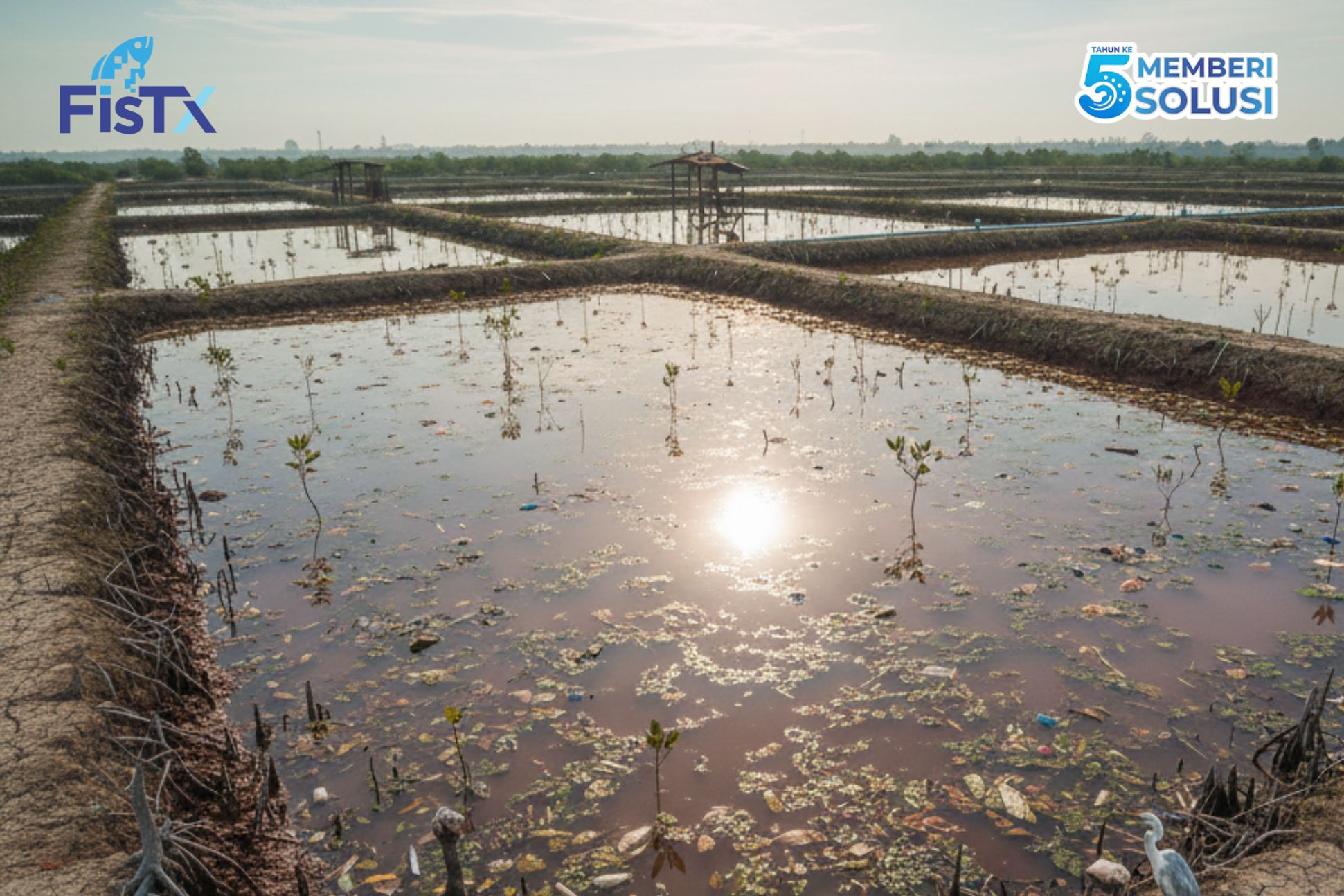
Facts in the field show that many ponds that were initially productive eventually became stagnant. The main cause is repeated exploitation without adequate ecological recovery. Each cultivation cycle leaves behind biological and chemical residues—from feed remnants, shrimp feces, to compounds from management treatments—that are not fully processed. This accumulation degrades sediment and water quality to the point where the pond loses its carrying capacity.
Common Mistakes in Pond Restoration
According to Kristina, a common mistake made when restoring damaged ponds is the tendency to seek instant results. The use of chemicals or product replacements without addressing the root ecological problem will only alleviate the symptoms temporarily, while the damage to the system continues.
Effective restoration should focus on improving the structure of the ecosystem, including microbiological balance and waste management. Without this approach, ponds will continue to be in a cycle of damage–recovery–damage again.
Ecosystem-Based Biotechnology
“In essence, ecologically damaged ponds not only lose productivity, but also lose their biological homeostasis,” explained Rico Wisnu Wibisono, CEO of FisTx.
This homeostasis includes a delicate balance between microbes, plankton, oxygen, and the pond's substrate.
Pond damage is generally triggered by four main factors:
accumulation of excess organic matter,
phytoplankton blooms,
heavy metal and antibiotic contamination, and
degradation of natural biofilms that play a role in maintaining ecosystem stability.
In these circumstances, an ecosystem-based biotechnology approach is the only sustainable way to truly “heal” ponds, rather than simply improving their appearance.
Some examples of this approach include bioremediation, water electrolysis, UV-C light, and the synergy of UV and electrolysis.
Bioremediation: Activating the Power of Microorganisms
Bioremediation utilizes natural microorganisms to break down organic waste, ammonia, nitrite, and toxic chemicals. Studies show that bioremediation can increase ecosystem efficiency by 65–80% within 4–6 weeks by utilizing a consortium of nitrifying and denitrifying bacteria.
Bacteria such as Nitrosomonas and Nitrobacter play a role in oxidizing ammonia into nitrate, while Bacillus subtilis and Pseudomonas putida are effective in degrading organic materials. Rhodobacter sphaeroides helps restore the redox conditions of the pond.
However, natural bioremediation is often not fast enough to deal with modern pollution loads. This is where physical-chemical technology plays a role as a catalyst for recovery.
Water Electrolysis: Precise Oxidation Without Residue
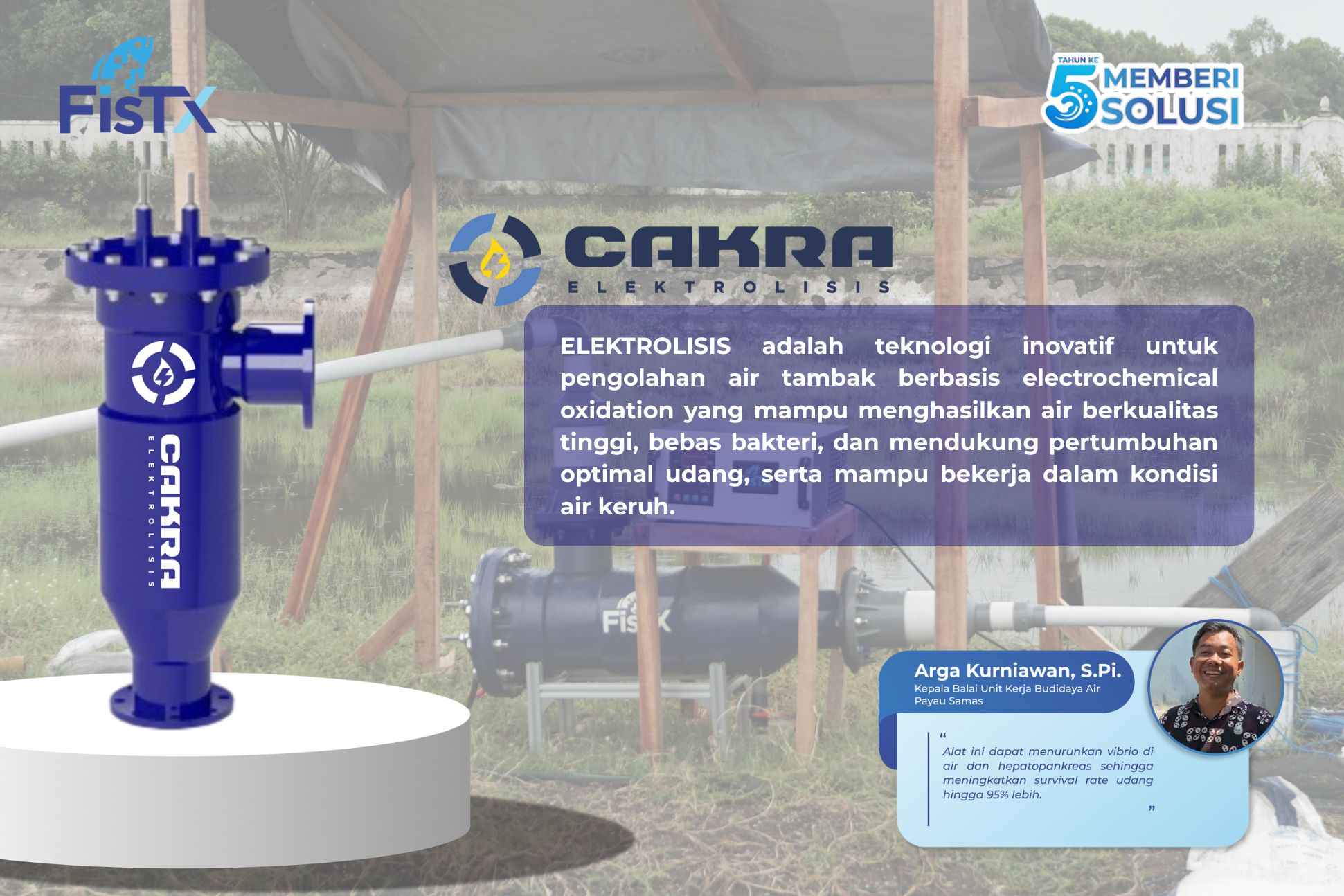
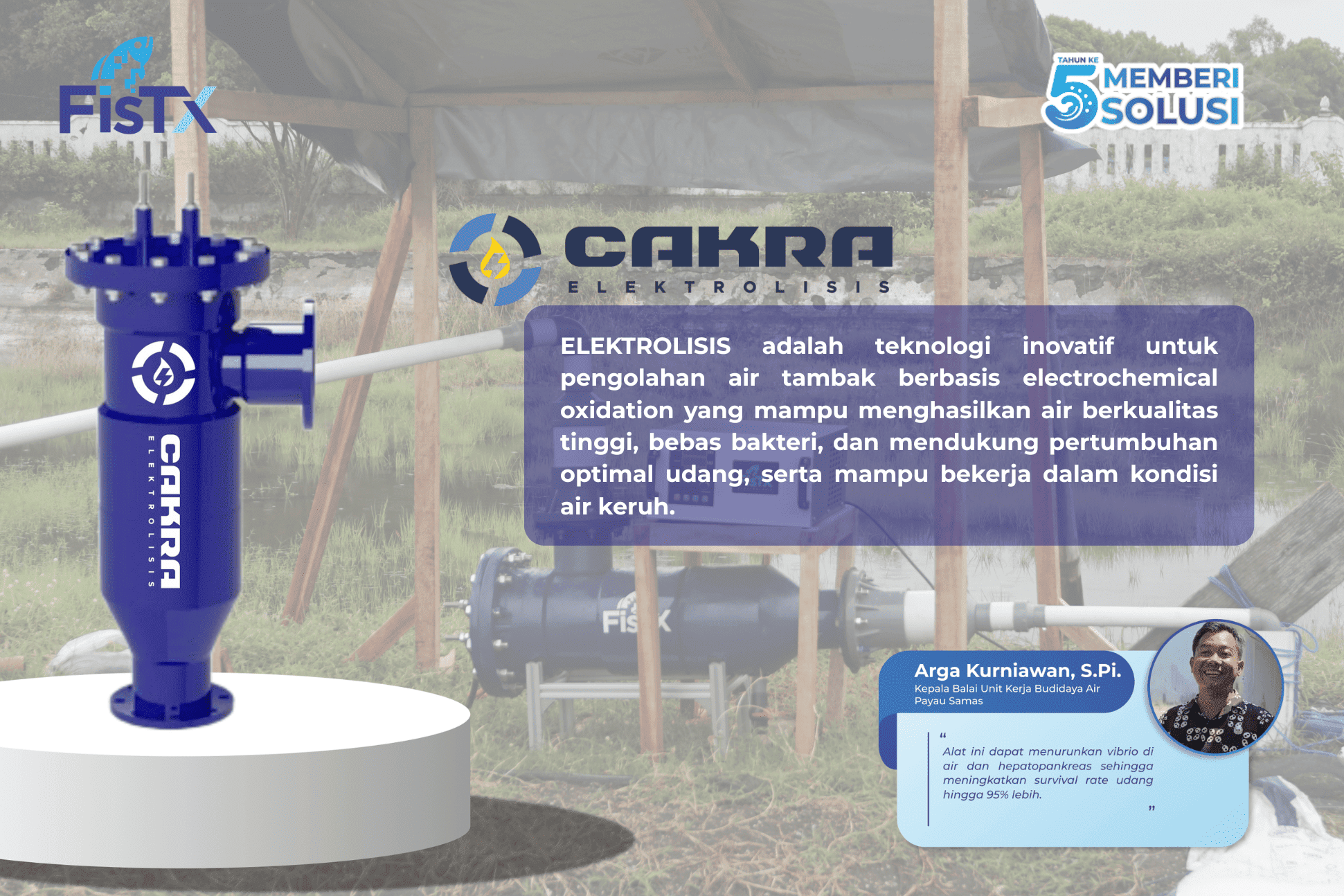
trolysis technology produces strong oxidants such as hypochlorite, micro ozone, and hydroxyl radicals (•OH) that have high oxidative potential without leaving harmful residues. Electrolysis is capable of oxidizing heavy organic materials, destroying pathogenic biofilms such as Vibrio harveyi, and assisting in the precipitation of heavy metals.
This approach makes water not just a cultivation medium, but an active part of the ecosystem recovery system—water “heals” itself through electrical energy.
UV-C Light: Chemicals-Free Disinfection
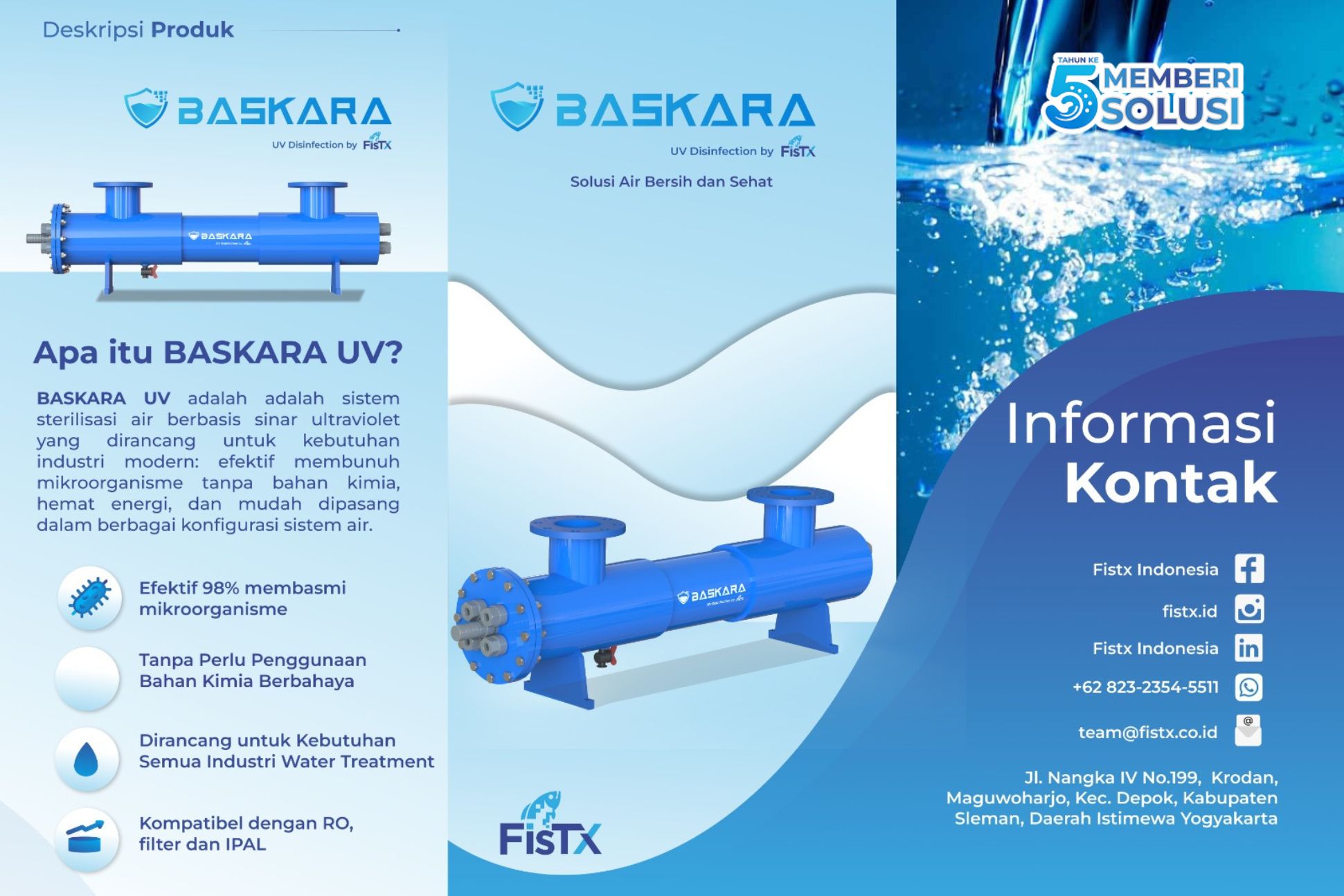
UV-C light (254 nm) works by damaging the DNA and RNA of pathogenic microorganisms, thereby stopping their replication. Various studies have shown that UV systems combined with fine particle filtration can reduce Vibrio infections by almost 100% in a short period of time.
Additionally, UV stimulates the natural photocatalytic oxidation process, accelerating the degradation of complex organic compounds in pond water.
UV and Electrolysis Synergy
The combination of UV and electrolysis forms a synergistic system that increases ORP (Oxidation Reduction Potential), destroys pathogenic biofilms, and sterilizes water without the addition of chemicals.
Ecologically, this system builds three layers of defense:
a biological layer through bioremediation,
a physical-chemical layer through free radical oxidation, and
a photonic layer through pathogen DNA inactivation.
This layered approach makes biosecurity more stable and measurable, especially in RAS systems, semi-closed systems, and modern intensive ponds.
Friendly from the Source
According to Ahmad Fikri Umam Halim, Product Executive Aquaculture at PT Agroveta Husada Dharma, waste reduction must begin at the source and downstream. Starting from feed—through the use of enzymes such as phytase and protease—to the routine application of probiotics in water to convert organic waste into safe bacterial biomass.
The use of auto feeders ensures accurate dosage and feeding times, lowering FCR and reducing the waste load in ponds. This approach proves that even simple technology can bridge the gap between economic and ecological efficiency.
Towards Sustainable Shrimp Farming
Sustainable shrimp farming does not require complex or expensive technology, but rather the appropriate application of technology. Bioremediation, UV, and electrolysis are not substitutes for nature, but rather tools to restore the balance that has been disrupted.
Returning to nature means respecting the carrying capacity of the environment, reading ecosystem signals, and adapting management practices accordingly. With this approach, ponds become not only places of production, but also living ecosystems capable of supporting the sustainable future of Indonesia's shrimp industry.
Read More Articles
FisTx Launches Cakra Electrolysis: Electrochemical Technology to Improve Water Quality and Shrimp Farm Productivity in Indonesia
25 November 2025
Shrimp Pond Biosecurity to Prevent WFD (White Feces Disease)
09 January 2024
First Harvest of Silvofishery Programme in Dabong Village, Kubu Raya, Proves Success of Sustainable Aquaculture
14 January 2026